

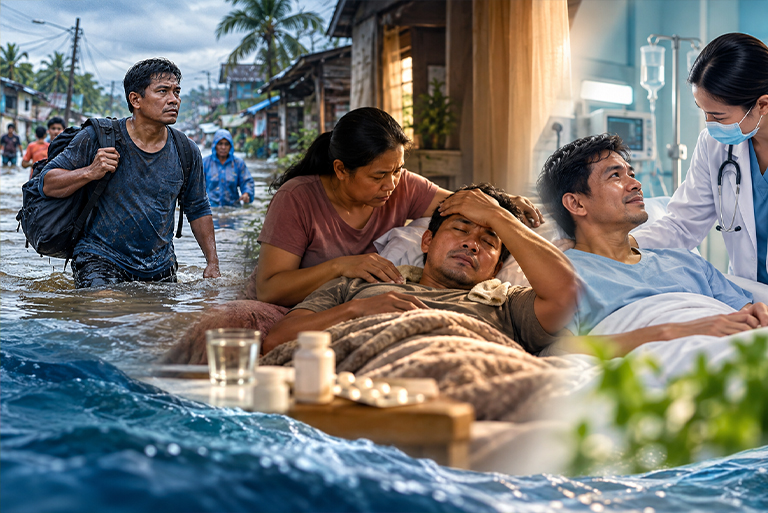

There is a word in Filipino that I have come to respect and fear in equal measure: tiis.
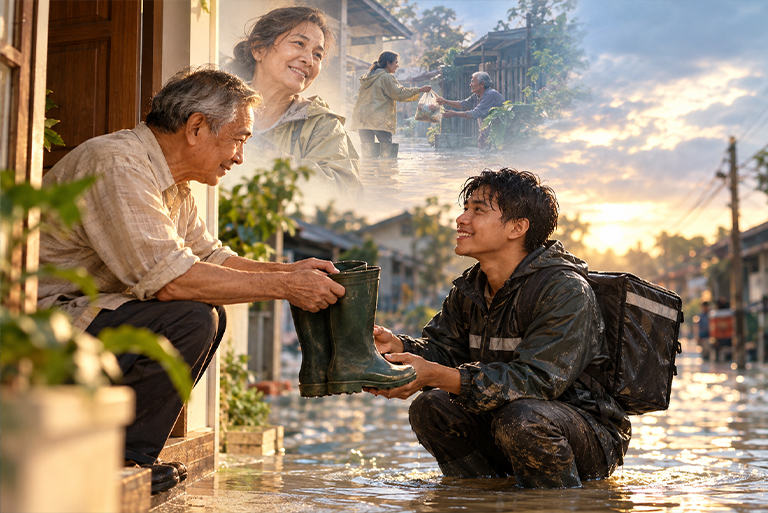
It means to endure, to bear, to put up with. It is one of the reasons Filipinos are so resilient. We endure typhoons, traffic, long queues, delayed salaries, and governments that disappoint us. We endure, and then we smile, and then we help the neighbor whose roof was blown away.
But in medicine, tiis can kill.
I thought about this often during the past two months, as reports came in from hospitals overwhelmed by leptospirosis. Again and again, doctors said the same thing. Most of the patients who died, or who ended up on dialysis, came in late. They had fever for three, four, five days. They took paracetamol. They went to work. They waited for it to pass.
“Trangkaso lang,” they told their families. It’s just the flu.
I understand why. A consultation costs money. A day at the health center is a day without income. Many of us were raised by parents who thought going to the doctor was something you did only when you could no longer stand. And most fevers do pass on their own. That’s what makes the habit so hard to break. It is usually right.
Usually.
The problem with leptospirosis is that the window between “this will pass” and “this is an emergency” can close within a day or two. A man who walks into the clinic with fever and calf pain on day two might go home with antibiotics. The same man on day six might arrive yellow, breathless, with kidneys that have stopped working.
I don’t want to blame patients. That would be both unfair and useless. The tricycle driver who waded through floodwater did not do it out of recklessness. He did it because his family needed him to. The mother who waited three days to see a doctor was waiting for payday.
So if I am going to ask readers to stop enduring, I must also ask our health system to make it easier not to. Health centers that are open when working people can come. Consultations that don’t cost a day’s food. Doxycycline that is waiting in the barangay before the flood, not after. Hospitals that can absorb a surge without putting patients in tents.
Some of that improved this year. Fast lanes were opened. Prophylaxis was distributed. PhilHealth expanded coverage. The death rate fell by half, and that is no small thing.
But until the rest of it improves, I will keep repeating the simplest advice I know.
If you waded through floodwater and you develop a fever in the weeks that follow, don’t endure it. Don’t wait for it to pass. Go and get checked, and tell the doctor about the flood.
Save your tiis for the typhoon. Don’t spend it on a fever.






Leave a Reply