


he holiday season is a time for joy, reunion, and well-deserved rest. Tables are fuller, laughter is louder, and calendars are packed with gatherings. Yet, every year, clinics and emergency rooms see a familiar post-holiday surge—patients with Holiday Heart Syndrome (HHS), upper respiratory tract infections (URTIs), stomach upsets, sleep deprivation, and stress-related flare-ups of chronic illness.
The good news? Most of these are preventable.
Holiday Heart Syndrome refers to heart rhythm disturbances—most commonly atrial fibrillation—triggered by binge drinking, dehydration, lack of sleep, and excess stress. It can happen even to people with no prior heart disease. Palpitations, chest discomfort, shortness of breath, or sudden fatigue after heavy celebrations should never be brushed aside as “just pagod.” Moderation, hydration, and sleep remain the best protection.
Meanwhile, URTIs, flu, and COVID-like illnesses spread easily during the holidays. Crowded venues, long conversations in enclosed spaces, and late nights weaken immunity. A simple rule helps: if you’re sick, rest; if you’re well, protect yourself. Hand hygiene, adequate sleep, good ventilation, and staying home when unwell are acts of love—not rudeness.
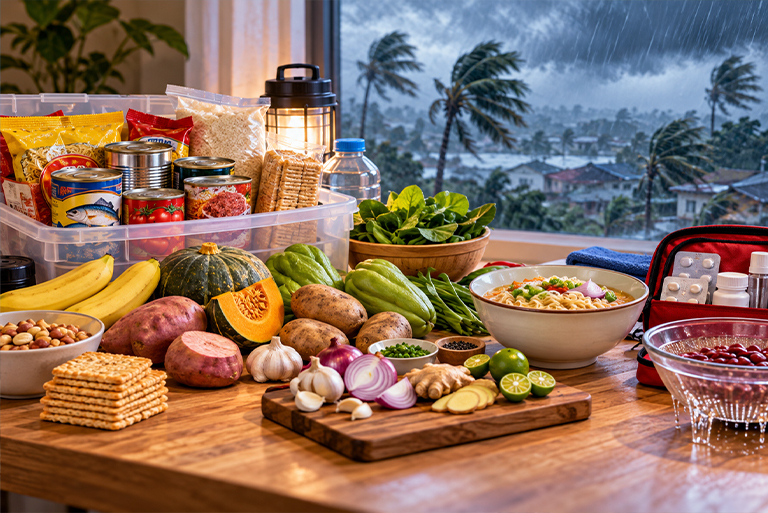
Food, too, deserves mindful enjoyment. Holiday dishes are part of tradition and comfort, but excess—especially of salt, sugar, and alcohol—can trigger hypertension, gout attacks, acid reflux, and blood sugar spikes. The healthiest approach is not deprivation but balance: savor small portions, eat slowly, and anchor meals with vegetables, protein, and water.
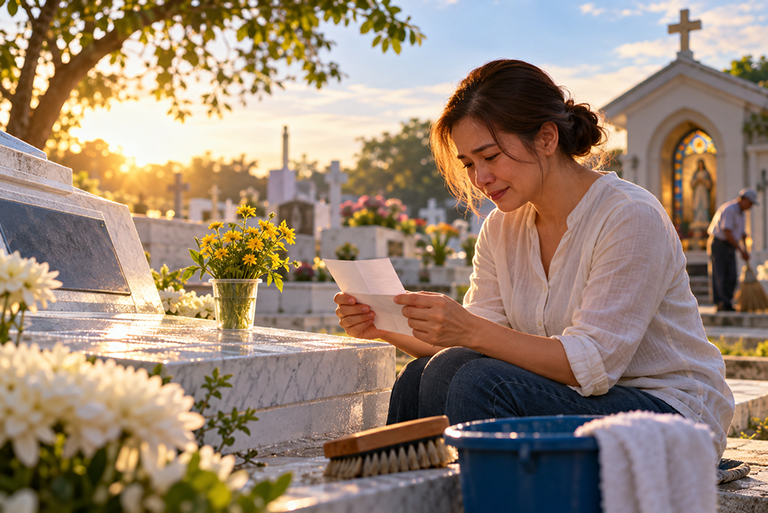
Equally important is emotional health. The holidays can magnify loneliness, grief, or financial stress. These emotions are valid. Make space for quiet moments, meaningful conversations, and realistic expectations. Perfect celebrations are not the goal—peace is.
From a medical standpoint, the healthiest holiday habits are surprisingly simple:
-Drink alcohol sparingly and hydrate well
-Prioritize sleep, even during festivities
-Move daily, even with short walks
-Practice basic infection-prevention habits
-Listen to your body—and seek help early
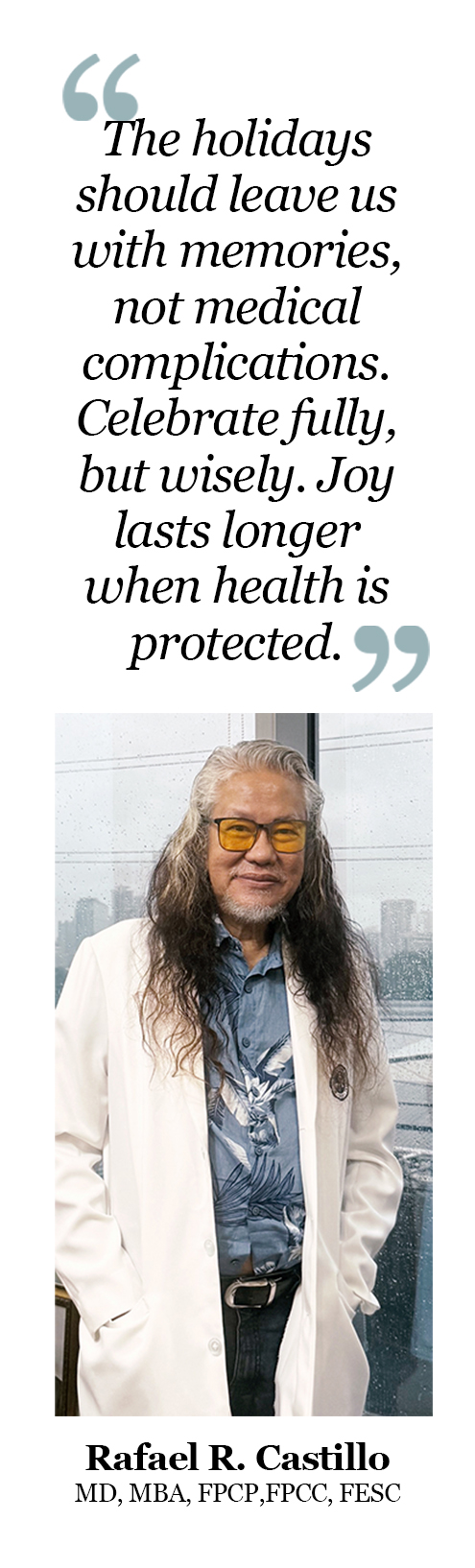
The holidays should leave us with memories, not medical complications. Celebrate fully, but wisely. Joy lasts longer when health is protected.
As your doctor, my wish this season is not just happiness—but a safe, heart-healthy, infection-free celebration, so you enter the new year stronger, calmer, and well.