


By the H&L Editorial Team
Living with diabetes is not about being perfect—it’s about being prepared, consistent, and kind to yourself. These small, practical habits can make daily life easier and protect your health over the long term.
1. Eat rice—just eat it smarter
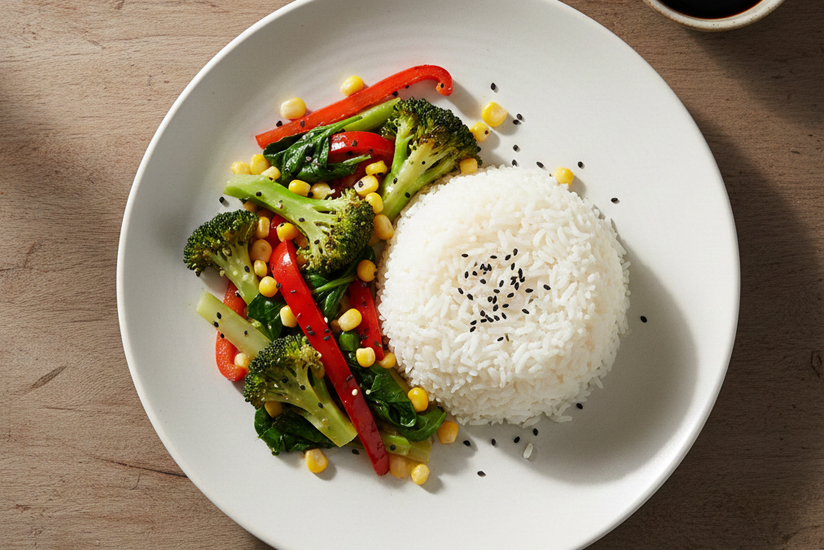
You don’t need to ban rice.
- Reduce portions (half rice instead of full).
- Choose unpolished or mixed grains when possible.
- Eat rice after vegetables and protein to slow blood sugar rise.
2. Never eat carbohydrates alone
Pair rice, bread, or fruit with protein or healthy fat (fish, egg, tofu, nuts). This reduces sudden sugar spikes and keeps you full longer.
3. Walk after meals

A 10–15 minute walk after eating helps muscles absorb glucose. No gym required—mall walking, stairs, or a quick neighborhood stroll counts.
4. Keep “safe snacks” on hand
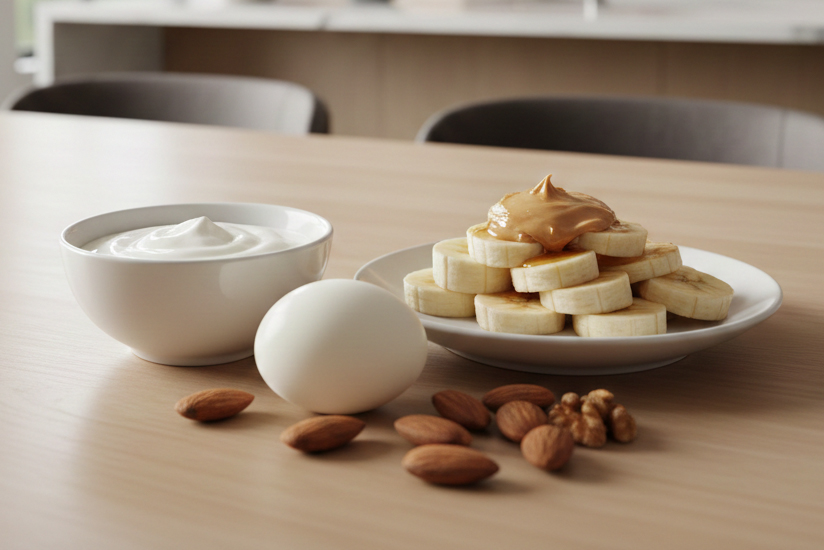
Prevent overeating by planning:
- Boiled egg
- Nuts (small handful)
- Plain yogurt
- Fruit with protein (banana + peanut butter)
5. Drink water first
Thirst is often mistaken for hunger. Start with water before snacking—and avoid sweetened drinks, even “fruit juices.”
6. Sleep is a blood sugar medicine
Poor sleep raises blood sugar. Aim for 7–8 hours and keep a regular sleep schedule—even on weekends.

7. Stress raises sugar—manage it intentionally
Stress hormones raise glucose levels. Use simple resets:
- Deep breathing (3 slow breaths)
- Prayer or quiet reflection
- Short breaks, not marathon workdays
8. Don’t skip meals
Skipping meals leads to overeating later and unstable sugars. Regular meals help medications work better.
9. Protect your feet daily
- Check feet every night for cuts, redness, or numbness
- Wear comfortable shoes
- Never ignore wounds, even small ones
10. Know your “personal danger signs”

Learn how your body signals high or low blood sugar—fatigue, shakiness, blurred vision, headaches—and act early.
11. Bring your medicines everywhere
Treat medications like keys or a wallet. Missed doses undo progress faster than missed workouts.
12. Track trends, not single numbers
One high reading is information—not failure. Look for patterns over days or weeks.
13. Make your follow-ups non-negotiable
Regular checkups help protect the heart, kidneys, eyes, and nerves—even when you feel fine.
14. Involve family

Diabetes is easier when meals, movement, and habits are shared. Support beats willpower.
15. Be patient with progress
Blood sugar improves gradually. Consistency matters more than intensity.
Remember
Diabetes is not a punishment—it is a condition that responds beautifully to early action, daily habits, and good support.
Small choices, repeated daily, protect years of healthy life.