
By H&L Editorial Team
Diverticulosis doesn’t require strict rules—it rewards smart daily habits. These simple hacks help keep your colon calm and reduce the risk of flare-ups.
1. Add fiber slowly, not suddenly
Don’t overhaul your diet overnight. Increase vegetables, fruits, or whole grains one item at a time to avoid bloating and gas.
2. Pair fiber with water—always
Fiber without water can worsen constipation. Make it a habit: one glass of water with every high-fiber meal or snack.
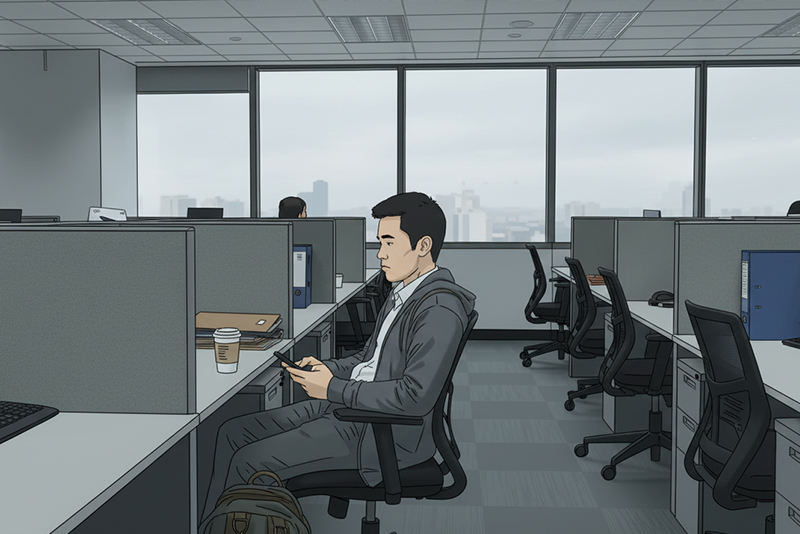
3. Walk when your bowels feel sluggish
A short walk—especially after meals—often triggers a natural bowel movement. Movement is a gentle laxative.
4. Use a “bowel-friendly” morning routine
Warm drinks, breakfast, and unhurried bathroom time help train regular bowel habits. Don’t rush—and don’t force.
5. Don’t ignore the urge to go

Holding stool increases pressure in the colon. When your body signals, respond.
6. Keep a “comfort list”
Notice which foods personally cause bloating or discomfort (not everyone reacts the same). Adjust—not eliminate blindly.
7. Stop blaming nuts and seeds
Modern studies show nuts, seeds, and popcorn do not cause diverticulitis. Enjoy them unless they clearly bother you.
8. Use pain relievers wisely
Avoid frequent use of certain pain medications without medical advice. If you need pain control, ask about safer options.
9. Protect your gut during travel
Changes in routine can trigger constipation. Drink more water, walk often, and don’t skip fiber when traveling.
10. Manage stress—it affects your gut
Stress alters bowel movement patterns. Short pauses, breathing, prayer, or quiet time help calm the digestive system.
11. Keep your weight in check

Even modest weight control lowers pressure inside the colon and reduces complication risk.
12. Know when to seek help
Pain with fever, vomiting, or bleeding is not normal diverticulosis—get medical care early.
Remember
Diverticulosis is common and usually harmless.
Your best protection is fiber, fluids, movement, and mindfulness—practiced daily, not perfectly.