

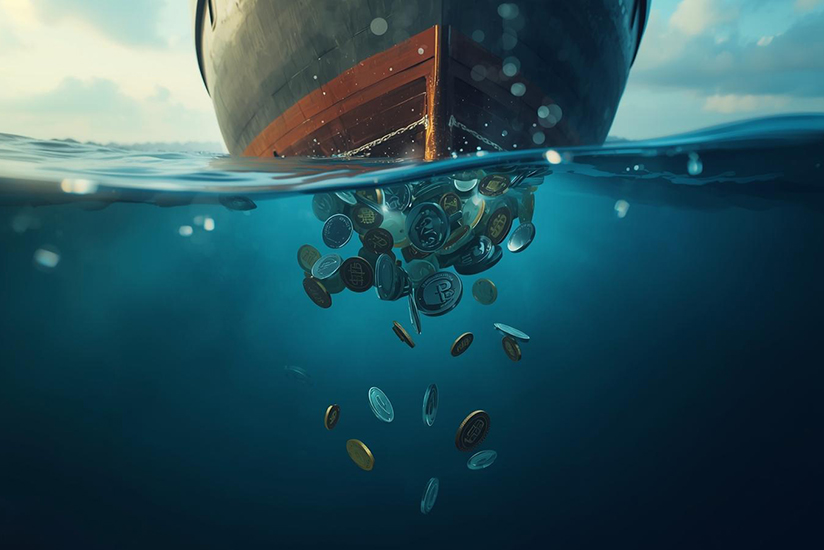
We often imagine financial disaster as one big mistake—a bad investment, a luxury splurge, a failed business. But more often than not, it’s the small, daily choices that quietly erode our finances.
By Chamuel Aguas
Have you ever asked yourself, “Where did all my money go?” You weren’t booking luxury vacations or buying designer bags, yet halfway through the month, your wallet feels far lighter than it should.
For me, it took a while to figure it out. The culprit wasn’t the big-ticket purchases. It was the small, recurring ones: a quick coffee here, a delivery fee there, a streaming subscription I had forgotten about. On their own, they were harmless. But together? They were quietly draining thousands from my budget.
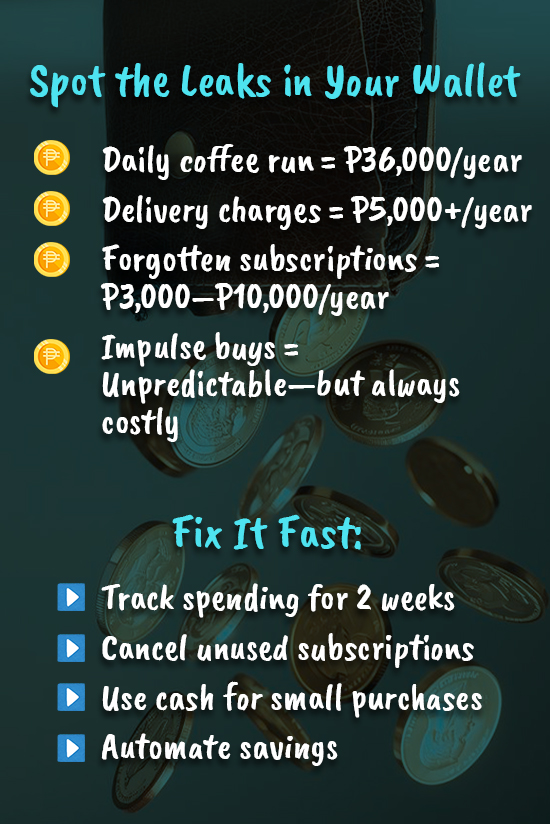
Financial planners call these “money leaks.” They’re the expenses that don’t sting in the moment but add up over time. Take that ₱100 daily coffee habit—it feels like nothing, but by year’s end, you’ve spent ₱36,000. Add in delivery charges, impulse buys from midnight scrolling, and forgotten app subscriptions, and suddenly you’ve lost the equivalent of a month’s salary without even realizing it.
The trickiest thing about money leaks is how invisible they are. They blend seamlessly into our daily lives—service charges, convenience fees, “treat yourself” moments—until one day you discover that your budget is full of holes.
So how do you stop them? The first step is honesty. Track every peso you spend for one or two weeks, no exceptions. Then sit down with your bank or e-wallet statement. You might be shocked at what you see. From there, start plugging the leaks:
- Cancel subscriptions you don’t use.
- Put limits on food delivery apps.
- Try paying cash for small expenses—you’ll feel the money leaving your hands.
- Automate your savings so that money flows into your future before it slips into your present.
What surprised me most was how empowering it felt to redirect those tiny leaks into meaningful savings. I started by skipping just a few impulse buys each week. Within months, I had saved thousands, enough to start an emergency fund. Suddenly, I had room to plan for things I truly wanted—without the guilt.
“It’s not the storms that sink your ship—it’s the tiny leaks you never noticed.”
Financial health isn’t about denying yourself joy or cutting out every treat. It’s about being mindful. It’s about spotting the leaks before they become floods. And most of all, it’s about choosing where your money goes, instead of wondering where it went.