
By Rafael R. Castillo
A Familiar Scene, a Hidden Danger
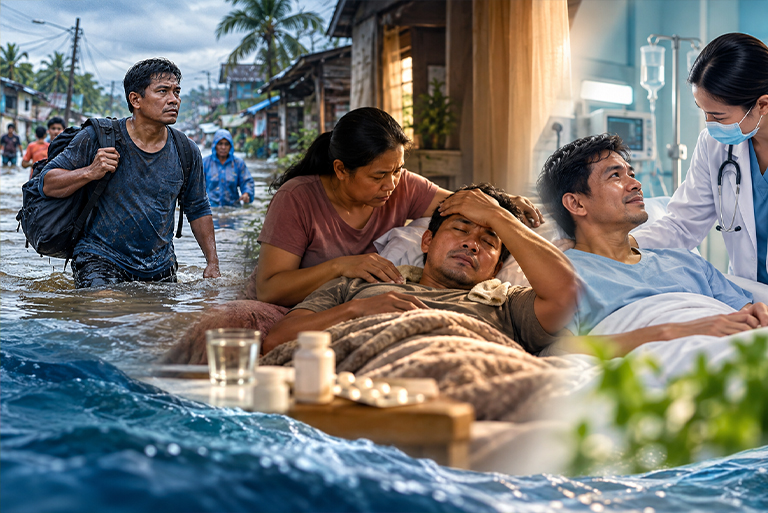
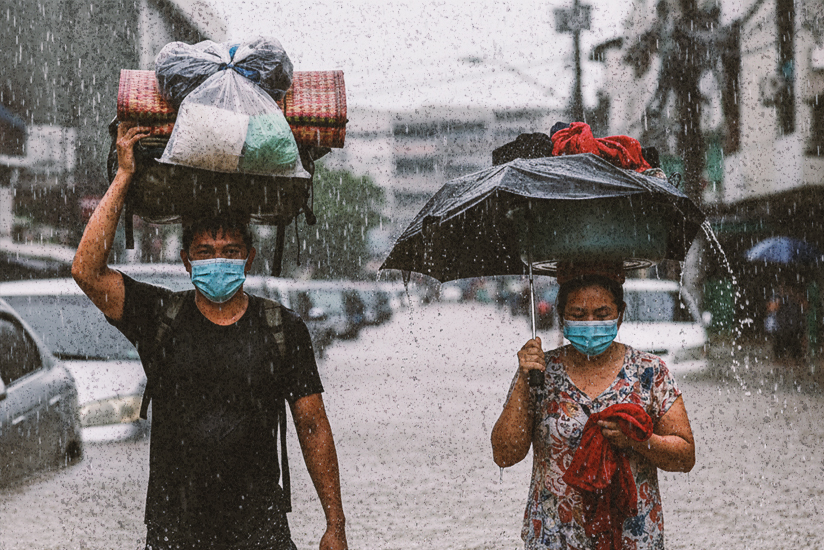
The rains arrive, streets flood, and children wade happily through knee-deep water. It looks harmless—almost fun. But beneath the surface lurk invisible threats: bacteria, viruses, and parasites that turn floodwaters into a dangerous cocktail of disease.
Every rainy season, hospitals report a surge in water-borne infections. From diarrhea to leptospirosis, these illnesses not only cause suffering but also claim lives. The challenge is especially acute in the Philippines, where poor drainage, informal settlements, and limited sanitation collide with increasingly extreme weather.
Why Floods Increase Disease Risk
Floodwaters act as giant mixing bowls. They collect human waste, animal urine, garbage, industrial runoff, and sewage. Anyone who wades through these waters risks contact with pathogens that cause disease. Drinking water supplies, if contaminated, can spread infections rapidly across communities.
Children are often the most exposed: they play in the water, drink from unsafe sources, and may have weaker immune defenses. But adults, especially workers who must wade through floods daily, are also at high risk.
The Major Culprits
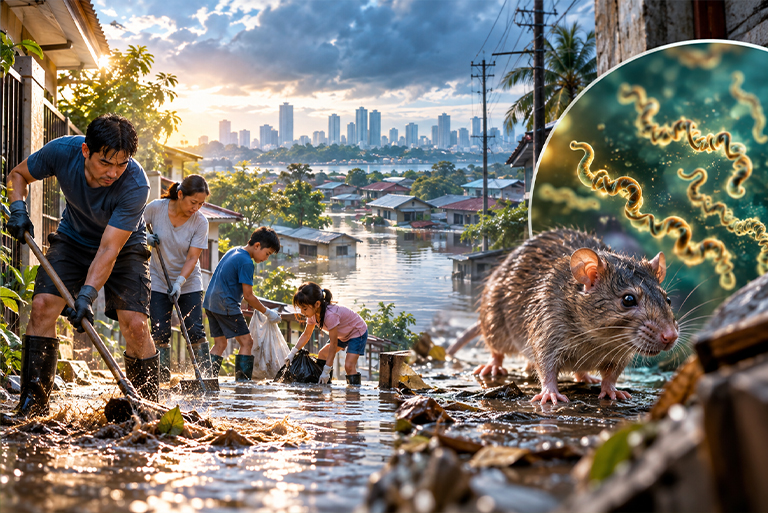
1. Leptospirosis – the “Rat Urine Disease”
- Caused by the Leptospira bacteria found in rat urine.
- Enters the body through cuts in the skin or mucous membranes when people wade in floodwaters.
- Early symptoms resemble flu: fever, muscle pain, and headache. Severe cases lead to kidney failure, liver damage, or meningitis.
- The Department of Health (DOH) regularly warns of outbreaks during floods. In 2023, over 3,000 cases were recorded nationwide, with dozens of deaths.
2. Diarrheal Diseases (Cholera, Acute Gastroenteritis, Dysentery)
- Contaminated water spreads bacteria such as Vibrio cholerae, Shigella, and E. coli.
- Symptoms range from mild diarrhea to life-threatening dehydration.
- Cholera outbreaks, though less frequent now, remain a constant threat in flood-affected areas.
3. Hepatitis A
- A viral infection transmitted through fecal-contaminated water or food.
- Causes fever, nausea, and jaundice (yellowing of eyes and skin).
- Usually self-limiting but can severely disrupt communities during outbreaks.
4. Skin and Eye Infections
- Prolonged contact with dirty floodwater leads to fungal infections, athlete’s foot, dermatitis, and eye redness.
- Often overlooked, but they add to the burden of illness in poor communities.
5. Mosquito-Borne Diseases After Floods
- Stagnant water left behind becomes breeding grounds for mosquitoes.
- Dengue, chikungunya, and Japanese encephalitis cases spike after heavy rains.
- Dengue remains among the top 10 leading causes of morbidity in the Philippines.
Gaps That Need to Be Addressed
- Sanitation and Drainage
- Informal settlements often lack toilets and proper waste disposal, making contamination inevitable.
- Flood-prone urban centers need long-term investments in drainage systems.
- Safe Water Access
- Even today, 1 in 10 Filipino families still lacks access to safe drinking water. When floods hit, the number rises sharply.
- Health Education
- Many people still underestimate floodwater risks or believe wading is harmless.
- Public information drives often come only during crises, not year-round.
- Rapid Response Systems
- Distribution of doxycycline (for leptospirosis prevention), water purification tablets, and rehydration salts is often delayed.
- Coordination between national and local governments sometimes falters, leaving barangays unsupported.
What Government Can Do
- Strengthen disaster preparedness. Pre-position medicines, clean water supplies, and portable toilets before typhoon season.
- Integrate WASH (Water, Sanitation, and Hygiene) programs. Every evacuation center must have toilets, handwashing stations, and clean water.
- Regular rat control campaigns. Urban rat populations surge during floods; sustained control programs can cut leptospirosis risk.
- Enhance disease surveillance. Rapid reporting systems can detect outbreaks early and guide timely interventions.
What Communities and Civil Society Can Do
- Community clean-ups. Regular drainage clearing and garbage collection reduce mosquito breeding and sewage overflow.
- Barangay watch systems. Local leaders and volunteers can monitor suspected leptospirosis or diarrhea cases and alert health centers quickly.
- Partnerships with NGOs and schools. Education campaigns about safe water, handwashing, and vaccination can reach children and parents more effectively than one-time announcements.
What Citizens Can Do—Protecting Yourself and Your Family
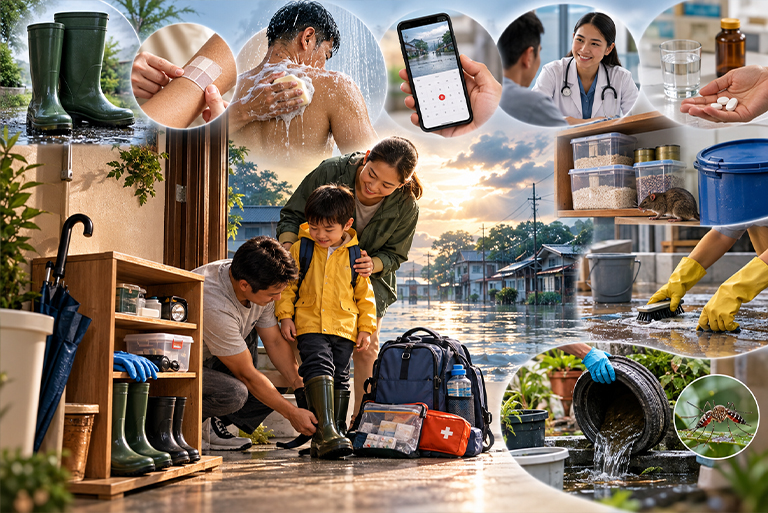
- Avoid wading in floodwaters. If unavoidable, wear boots or protective footwear.
- Cover wounds. Even small cuts can be entry points for bacteria.
- Boil or treat drinking water. If unsure, boil water for at least 2 minutes or use chlorine tablets.
- Wash hands often. Especially before eating or preparing food.
- Seek early medical attention. Fever after flood exposure may be leptospirosis—see a doctor immediately.
- Support vaccination. Hepatitis A and Japanese encephalitis vaccines are effective preventive tools.
A Human Face to the Problem
Take the case of Mang Jose, a 45-year-old tricycle driver from Quezon City. After days of ferrying passengers through flooded streets, he developed high fever and severe muscle pain. He thought it was just flu, but within a week his eyes turned yellow, and his urine output decreased. Diagnosed with leptospirosis, he required dialysis. His family nearly lost their breadwinner—all from wading through floodwater.
Stories like his remind us: water-borne diseases are preventable, but only if taken seriously.
Looking Ahead
Climate change is expected to bring more intense rains and floods. Without urgent action, water-borne diseases will claim more lives. The Philippines must combine better infrastructure with stronger health systems and smarter community education.
If government, civil society, and individuals work together, the rainy season can become less of a health nightmare. With clean water, strong sanitation, and vigilance, Filipinos can weather the storms without succumbing to the invisible threats they bring.
Pull-quote
“Floods don’t just wash away roads and houses—they wash disease into our lives. Preparedness is not optional; it’s survival.”