

St. Augustine: Walking Through America’s Oldest City
Words and Photos by Henrylito D. Tacio
A few days after I arrived in Florida, my sister, Marilou T. Eplite, casually announced during dinner, “We will be going to St. Augustine tomorrow.”
“It’s the oldest city in North America,” she added.
Really? I silently asked myself.
Curious, I decided to do some research before going to bed. What I discovered made me even more excited about the trip.
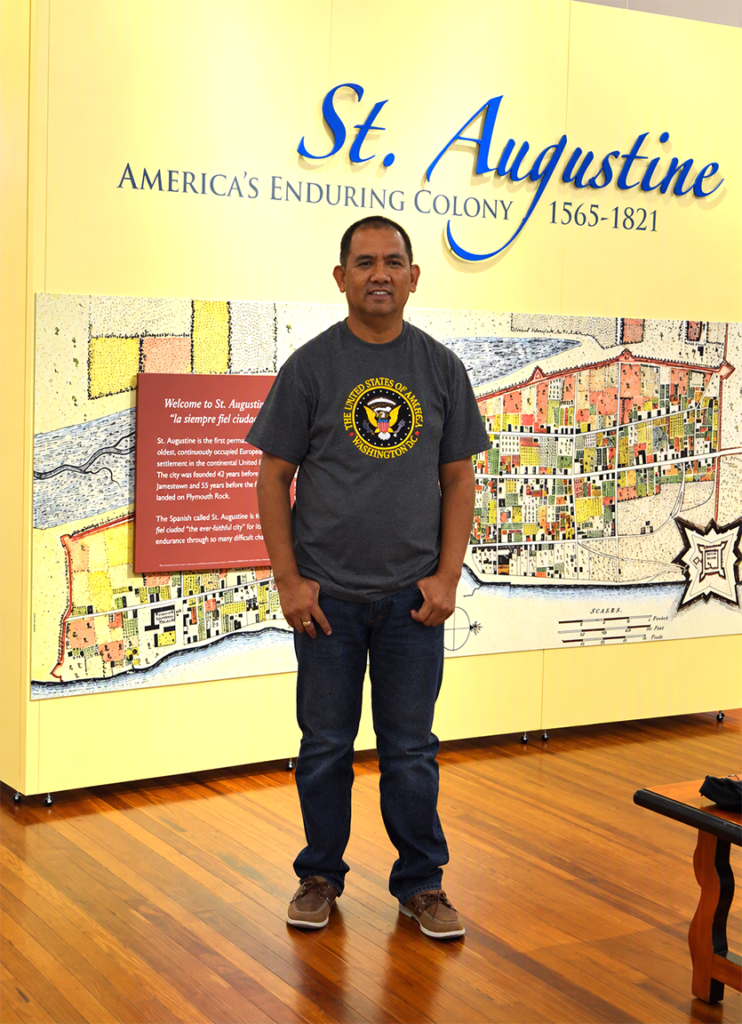
The story of St. Augustine dates back to 1513 when Spanish explorer Juan Ponce de León claimed Florida for Spain. During that period, Spanish adventurers were finding vast riches in Mexico and Peru. Gold and silver from these territories were transported to Spain aboard ships that traveled along the Gulf Stream.
To safeguard these lucrative treasure routes, Spain needed strategic settlements in Florida. As one tourist publication explained, King Philip II of Spain commissioned Pedro Menéndez de Avilés to establish a colony in Florida and expel French settlers who had recently established outposts in the region.
In September 1565, Menéndez, accompanied by some 700 soldiers and colonists, landed on the northeastern coast of Florida and founded what is now St. Augustine. Since then, the settlement has remained continuously occupied, earning the distinction of being the oldest continuously inhabited European-established city in what is now the United States.
Learning all these historical facts made me eager to see the place firsthand.
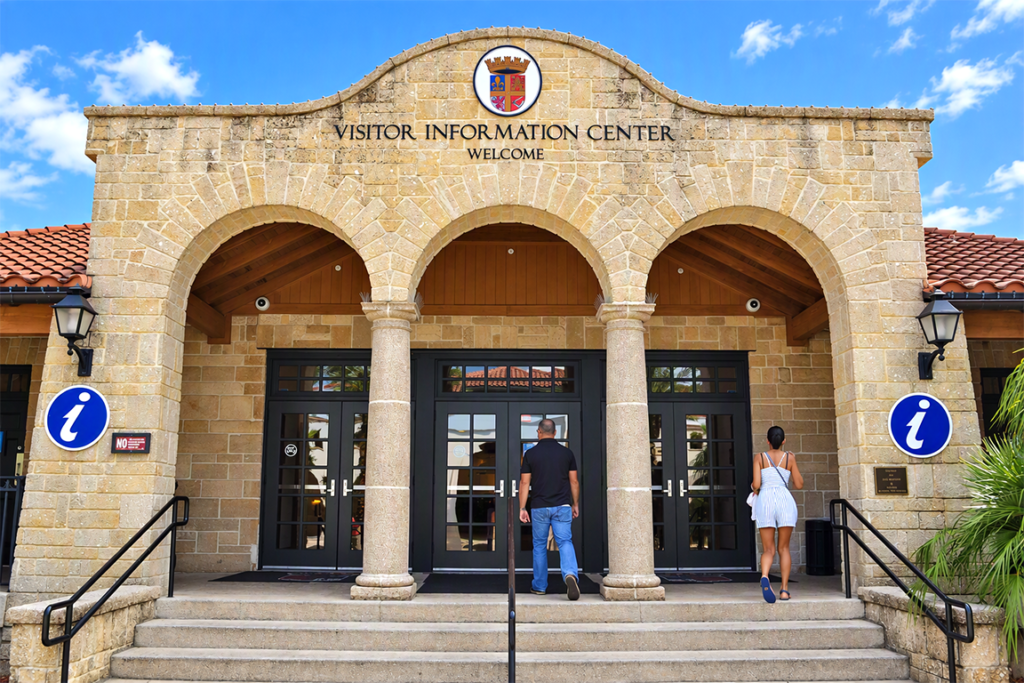
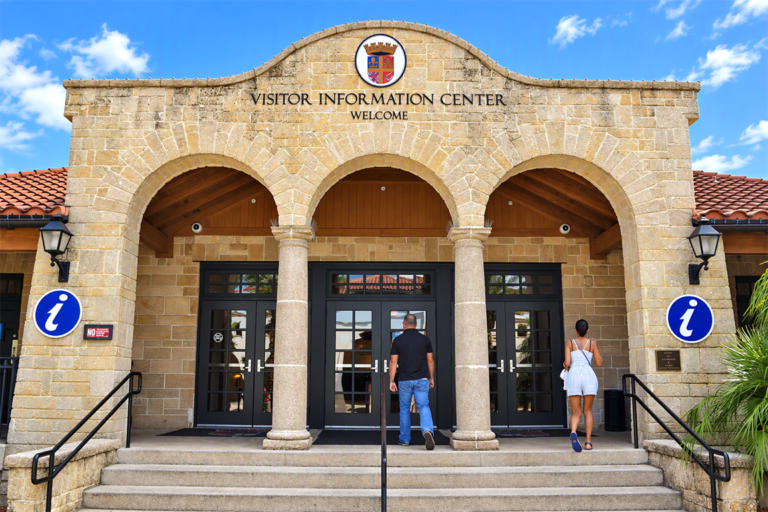
The following morning, my brother-in-law, David Eplite, drove us from Deltona to St. Augustine, a journey of nearly two hours. Upon arrival, our first challenge was finding a parking space. Fortunately, David located one near the Welcome Information Center.
Inside the center, I picked up a complimentary sightseeing map. As I unfolded it, I found myself overwhelmed.
The city was filled with attractions. At first glance, St. Augustine felt unlike any other American city I had visited. Its historic district exuded old-world charm. Brick-paved streets wound through neighborhoods lined with centuries-old buildings. Horse-drawn carriages traveled leisurely along narrow roads. Hidden courtyards and colonial structures seemed to transport visitors to another era.
No wonder millions of tourists visit every year. Fortunately, David had already devised a plan. “We’ll take the trolley tour,” he said.
He purchased tickets that came in the form of round stickers, which we attached to our shirts. The trolley offered a fully narrated experience with 23 designated stops throughout the city.
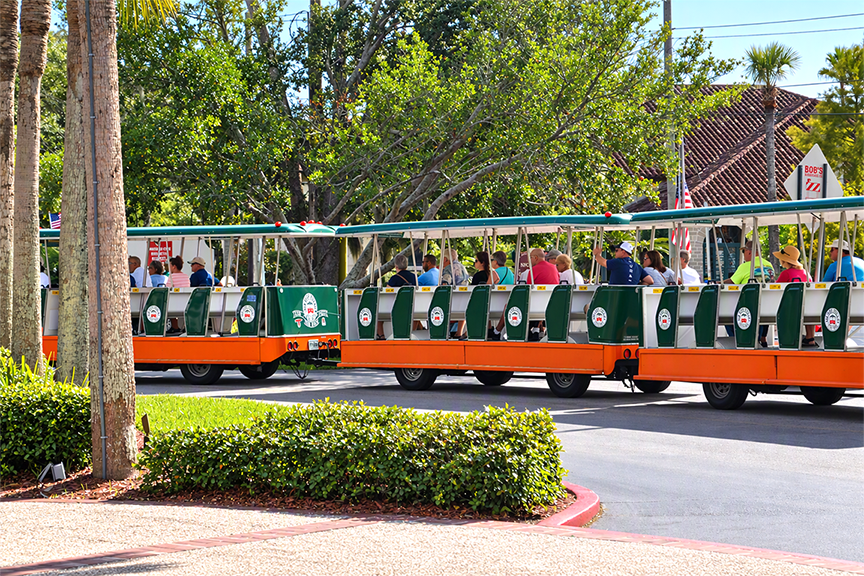
“The good thing is that you can hop on and hop off whenever you like,” David explained. Before beginning the tour, however, I wanted to understand how St. Augustine got its name.
According to historical accounts, Pedro Menéndez de Avilés named the settlement San Agustín because his fleet first sighted the Florida coast on August 28, 1565, the feast day of Saint Augustine, one of Christianity’s most influential theologians and philosophers. It was a fitting name for a city deeply rooted in history.
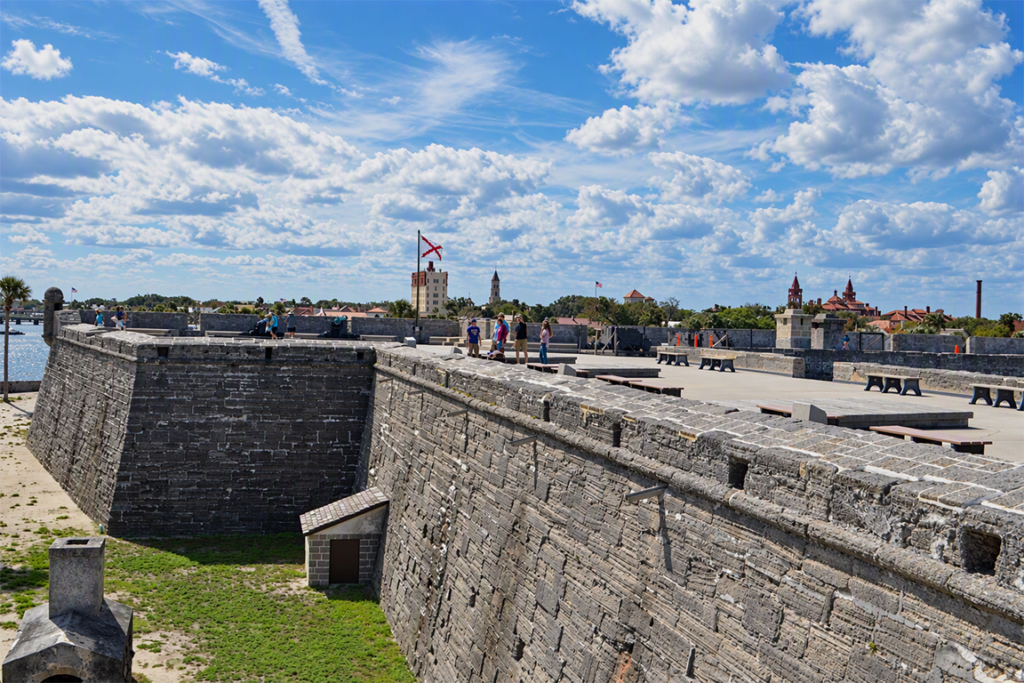
Our first destination was the Castillo de San Marcos National Monument, located within walking distance from the information center. After paying the entrance fee, we embarked on a self-guided exploration of the massive structure.
The fort occupies more than ten hectares and is considered the oldest surviving masonry fortress in the continental United States. Constructed from coquina, a stone made from compressed seashells, the fortress features towering 30-foot walls and four imposing bastions extending from its corners.
Standing atop the ancient walls, I found myself imagining the struggles of the soldiers who once defended the settlement.
For centuries, the Castillo de San Marcos served as Spain’s northernmost military outpost in the New World. It protected St. Augustine from pirates, hostile forces, and repeated attacks from Britain, Spain’s major rival at the time.
A brochure distributed at the site described it as one of the most extraordinary historic places in the United States. Construction began in 1672 and was completed in 1695, making it one of North America’s oldest standing structures.
What fascinated me most was its design. Engineer Ignacio Daza employed a bastion system, creating the fortress’s distinctive star-shaped appearance. Diamond-shaped projections at each corner eliminated blind spots and allowed cannons to fire from multiple directions simultaneously. The result was a highly effective defensive structure capable of unleashing devastating crossfire against attackers.
Looking down from the ramparts toward Matanzas Bay, it became easy to understand why the fort remained unconquered throughout much of its history.
After our visit, we boarded the trolley and officially began our sightseeing adventure. One stop that immediately attracted my attention was the Fountain of Youth Archaeological Park.
Legend associates this site with Juan Ponce de León’s search for the mythical Fountain of Youth. More importantly, however, it marks the location where the earliest Spanish settlement in St. Augustine was established.
Walking through the grounds felt like stepping back into the sixteenth century. Historical displays highlighted the arrival of European settlers and their encounters with Native Americans. Visitors also learn that one of America’s earliest documented Thanksgiving celebrations took place here, long before the famous Pilgrim feast in Plymouth.
As someone fascinated by homes and architecture, another stop that especially intrigued me was the González-Alvarez House.
Often described as the oldest surviving Spanish colonial residence in the United States, its history dates back to around 1723. Though modified over the years by various owners, the structure remains a remarkable example of colonial architecture.
Its thick walls, historic furnishings, and traditional design offered a glimpse into daily life nearly three centuries ago. Nearby stood another notable landmark: the Oldest Wooden School House.
The exact date of its construction remains uncertain, but historical tax records mention it as early as 1716. Since most wooden buildings in the city had been destroyed during a British attack in 1702, the schoolhouse occupies a unique place in local history. It serves as a reminder that education was important even in those early colonial days.
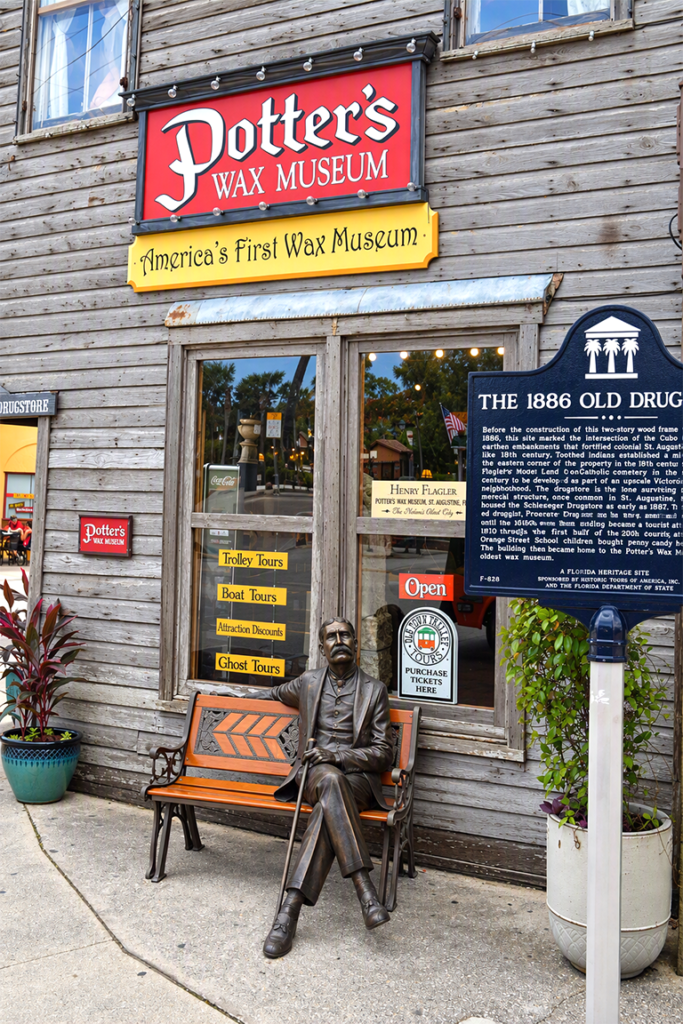
The city also offers attractions beyond history. At Potter’s Wax Museum, visitors come face-to-face with lifelike figures representing famous personalities from various fields. Opened in 1948 by George L. Potter, it is recognized as America’s first wax museum.
The collection includes politicians, athletes, entertainers, and historical figures. Though I jokingly hoped to find Harry Potter among the exhibits, I soon learned that the museum’s name had nothing to do with the fictional wizard.
Being from Davao City, which proudly brands itself as the Chocolate Capital of the Philippines, I was especially drawn to another attraction: the Original Chocolate Tour at Whetstone Chocolatiers.
The tour provided a fascinating introduction to the history and production of artisan chocolate in the United States. Walking through the factory and observing the careful crafting process was a delight for anyone who appreciates fine chocolate. For chocolate lovers, it was an unforgettable sensory experience.
Adventure seekers, meanwhile, can visit Crocodile Crossing, where participants zip-line above all 23 species of crocodilians found at the facility. Imagine soaring through the air while alligators swim directly beneath you.
It certainly looked thrilling, although I was content to admire the attraction from a safer distance.
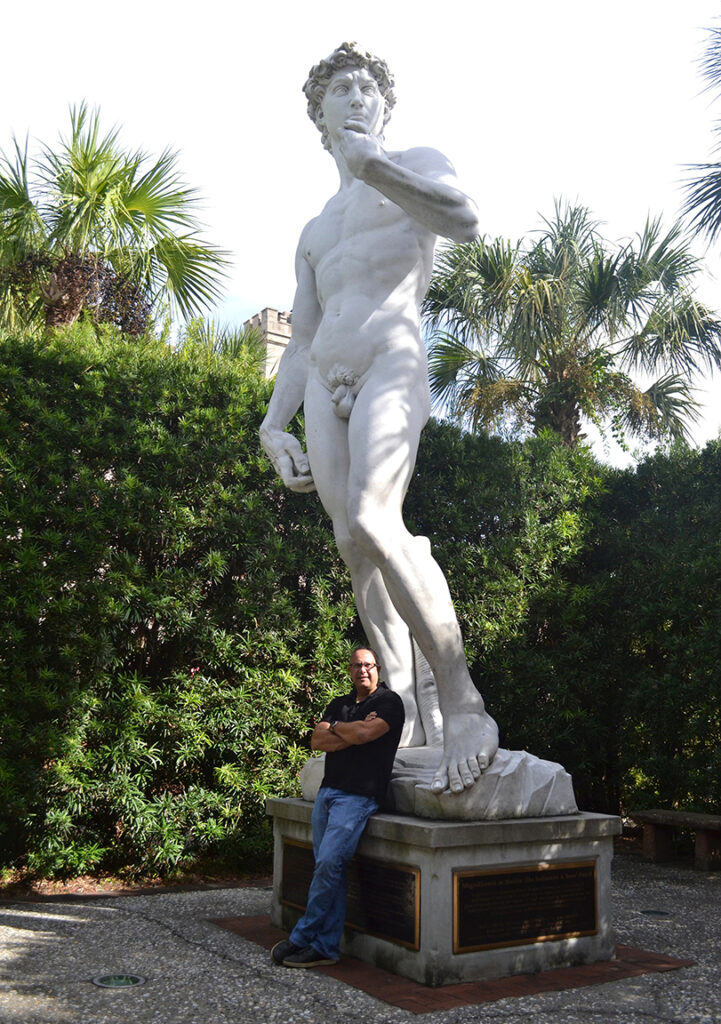
Another attraction that caught my attention was Ripley’s Believe It or Not! Museum. Among its unusual exhibits stands an exact marble replica of Michelangelo’s renowned sculpture David. The towering artwork is 18 feet high and weighs more than nine metric tons.
Originally created for the 1964 New York World’s Fair, the statue later found its permanent home in St. Augustine after being acquired by Ripley Entertainment.
As the afternoon wore on, fatigue finally began to catch up with us. We decided to have lunch on St. George Street, one of the city’s most famous streets and part of the original walled settlement. Lined with historic buildings, specialty shops, restaurants, pubs, and souvenir stores, it remains one of the most vibrant areas in St. Augustine.
The atmosphere was lively yet relaxed. As we enjoyed our meal, I watched tourists from around the world stroll past centuries-old buildings, many marked with plaques explaining their historical significance.
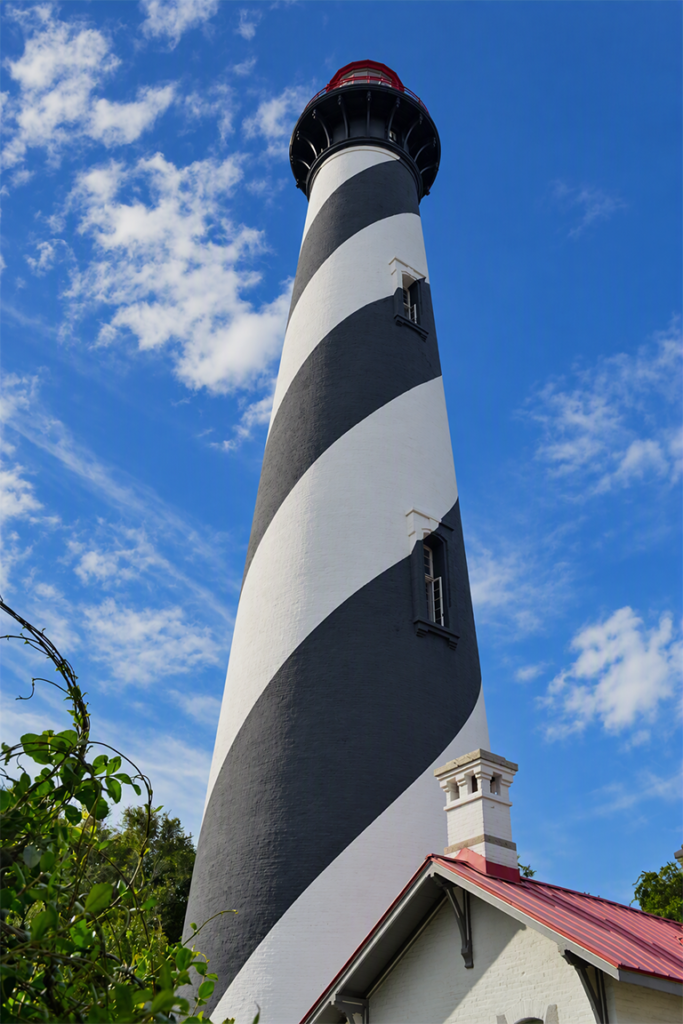
Our final major stop was the St. Augustine Lighthouse and Maritime Museum. For me, this would become the most memorable part of the day. The reason was simple: I am not particularly fond of heights.
To reach the observation deck, visitors must climb 219 steps, equivalent to about 14 stories. Initially, I hesitated. But David encouraged me. “You can do it,” he said.
With some reluctance, I began climbing the spiral staircase. Step after step, higher and higher, until eventually I reached the top. I had conquered my fear. Well, at least temporarily.
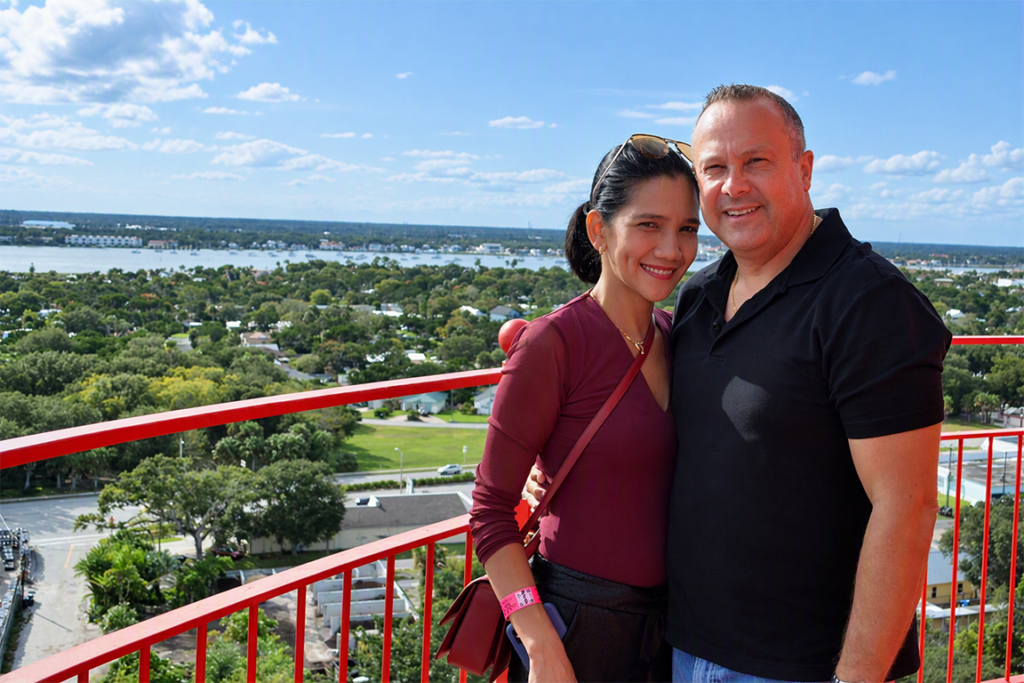
Even while taking photographs, I found myself gripping the railings tightly. Yet the magnificent panorama rewarded every ounce of nervousness.
From the top, I enjoyed breathtaking views of St. Augustine, Matanzas Bay, and the vast Atlantic Ocean stretching toward the horizon. The city’s historic landmarks appeared like pieces of a giant living museum spread below. It was a sight I will never forget.
By the time we descended from the lighthouse, the clock was nearing five o’clock in the afternoon. Our day in St. Augustine had come to an end.
As we walked back to the car for the return trip to Deltona, I reflected on everything I had seen and learned.
St. Augustine is more than just an old city. It is a place where history remains alive, where centuries-old stories continue to echo through stone fortresses, colonial homes, historic streets, and maritime landmarks. It offers visitors a rare opportunity to experience the beginnings of European settlement in North America while enjoying the amenities of a modern tourist destination.
Before we left, I turned to my sister and brother-in-law. “Thank you for bringing me to St. Augustine,” I told the Eplite couple. “It was truly a memorable experience.” And indeed, it was. Long after the photographs fade and the souvenirs are tucked away, the memories of walking through America’s oldest city will remain with me, reminding me that some places are not merely destinations but journeys through time itself.—###







Leave a Reply