

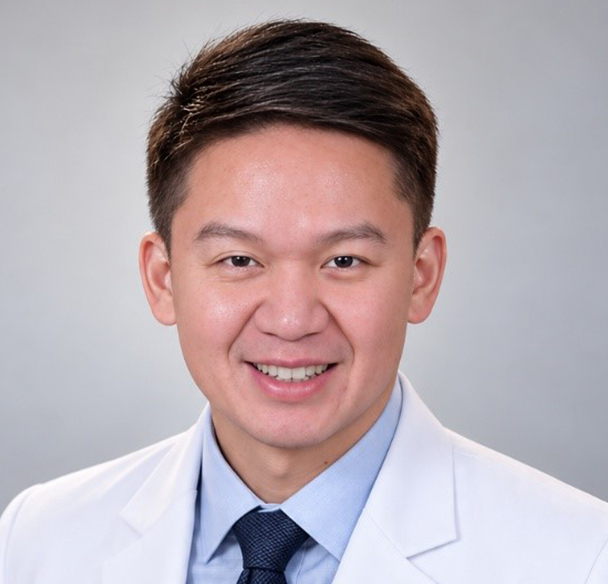
By: Dr. Marco Neoman Dela Cruz
Family and Geriatric Medicine
Beyond the Hospital Bed: My Life as a Geriatrician
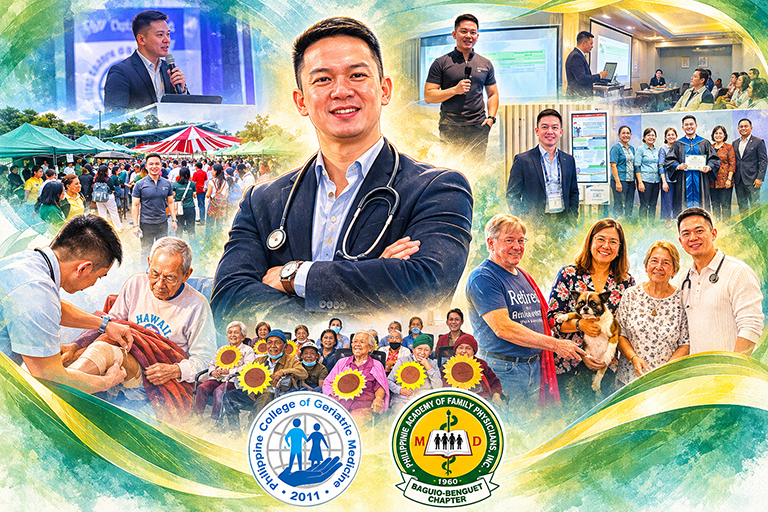
“Doc, makakalakad pa kaya siya?”
For a family caring for an older loved one, that question can matter as much as the diagnosis. Will their mother be able to walk to the bathroom again? Can their father come home? Who will help when everyone returns to work?
These are the concerns that sit beside the hospital bed, often waiting until the end of a consultation to be voiced. As a geriatrician, I make room for them. Treating an illness is part of my work. Understanding what that illness means for a person’s everyday life is just as necessary.
Geriatric medicine is the care of older adults, especially those whose health needs have become complicated by several illnesses, changes in memory or mobility, and increasing dependence on others. It asks us to look closely at the person: their routines, relationships, abilities, worries, and hopes.
An older adult may want to get back to tending a small garden. Another hopes to attend a grandchild’s graduation. Someone else simply wants to eat comfortably at the family table. Those wishes help give our treatment a direction.
Where care begins—and where it continues
In the hospital, I cared for older adults during some of the most vulnerable days of their lives. An acute illness can unsettle a life that, until recently, felt manageable. A person who was walking independently may suddenly need help standing. An unfamiliar ward, interrupted sleep, pain, and illness can make an already difficult admission even harder.
Alongside treating the immediate medical problem, I pay attention to eating, movement, memory, medications, and comfort. I also listen to the family’s account of what the patient was like before admission. That picture helps us understand what has changed and what we are working toward.
Then comes another important part of the job: preparing for life after discharge.
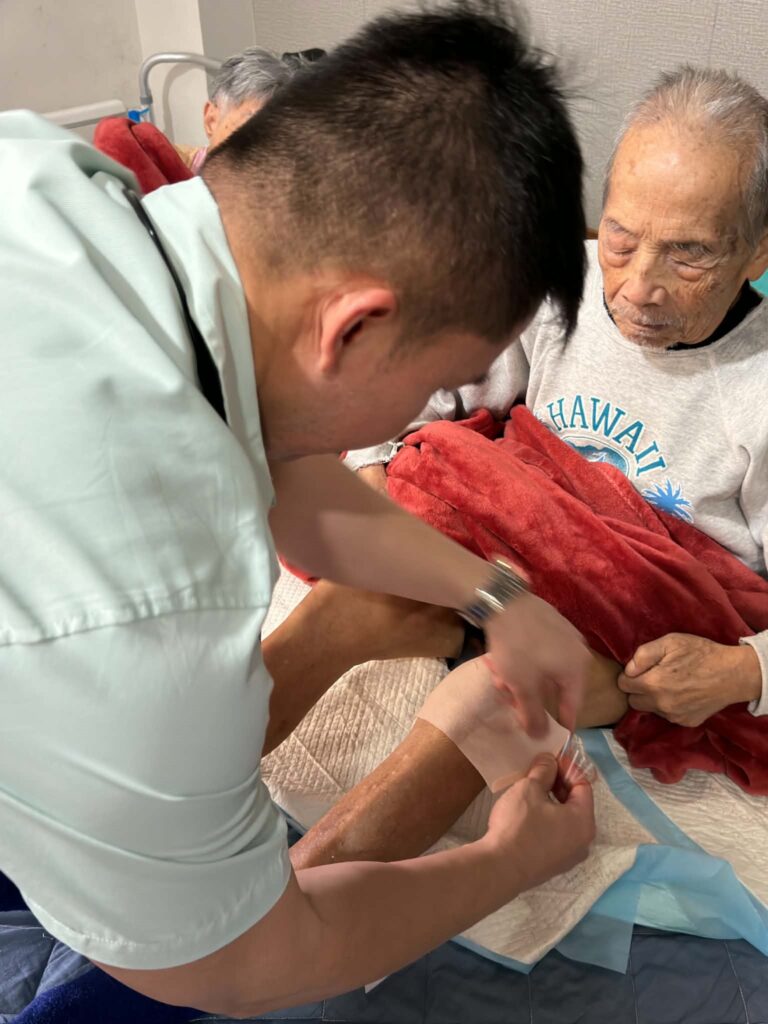
A discharge order may take only a moment to write. Carrying it out at home can require a great deal from a family. There are medicines to sort, follow-up visits to arrange, meals to prepare, and new care routines to learn. Transitional care means helping make that move from hospital to home, or to another care setting, more manageable.
I want families to leave with a plan they understand—and can realistically follow.
Seeing life at home
Home visits bring a different understanding of a patient’s health. In a clinic, I can ask about walking difficulties. At a patient’s home, I can see the narrow passage, the steps at the entrance, or how far the bedroom is from the bathroom.
I can also see the work of caregiving more clearly, along with the small details that can greatly affect a patient’s recovery. Who prepares the meals? Who stays awake at night? Is the person providing most of the care getting any rest?
These visits remind me to make recommendations that fit the realities of each household. Even a carefully written plan needs adjusting if the family lacks the space, resources, or help to carry it out.
In long-term care, that same attention continues over time. Some residents need support with daily activities; others live with advanced illness and need increasingly complex care. My role includes reviewing their health needs, working with the care team, and talking with families as circumstances change. Comfort, dignity, and the person’s preferences remain part of those conversations.
Teaching the people who are there every day
Much of an older person’s care happens between medical appointments. It happens when someone helps with bathing, notices a change in appetite, or patiently offers a meal again.
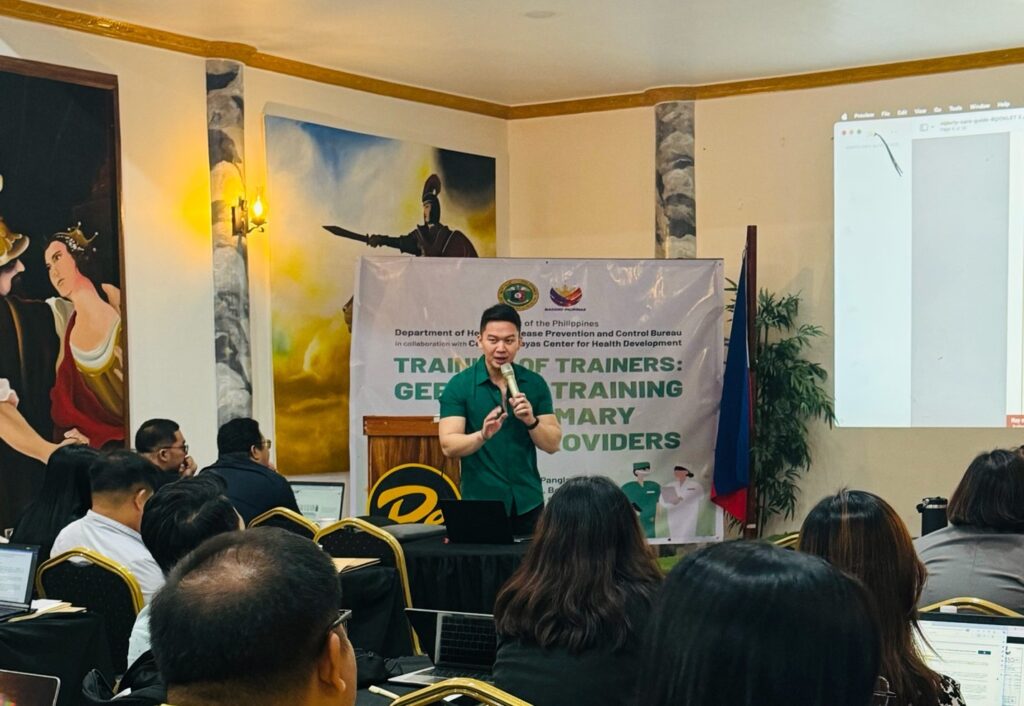
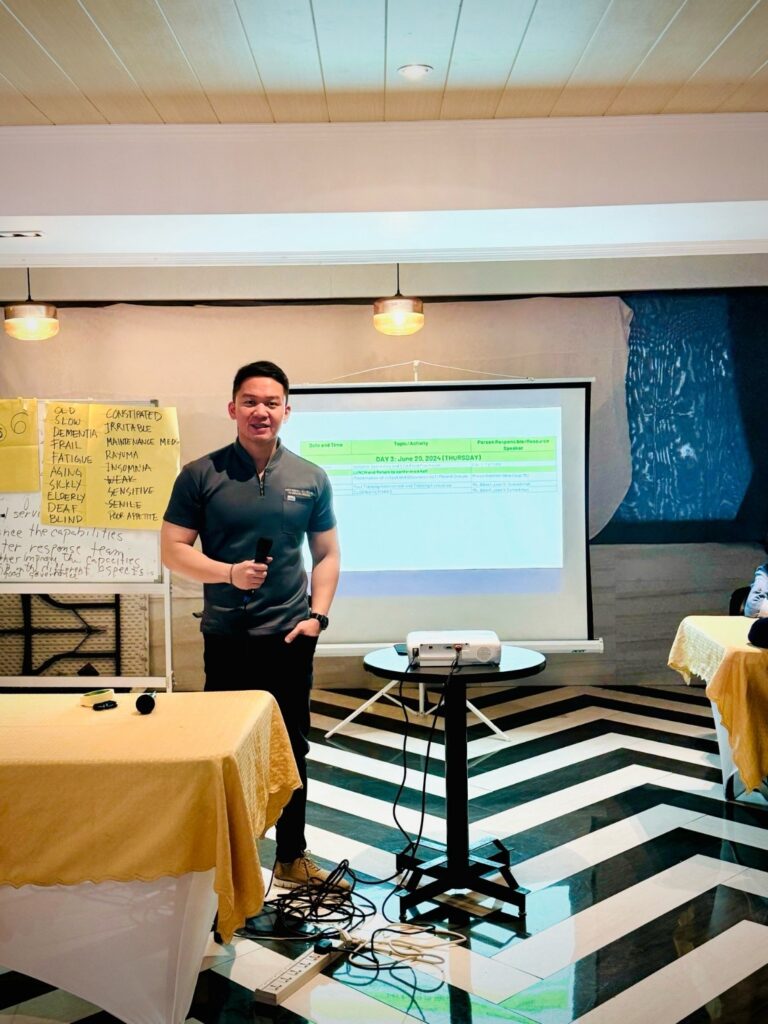
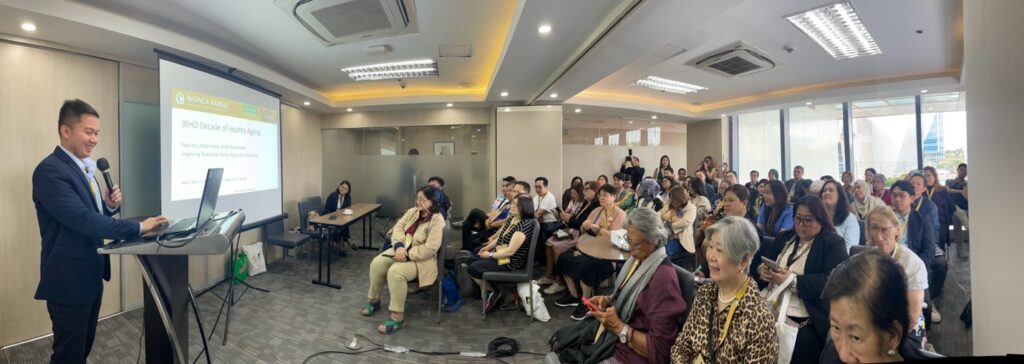
That is why training primary care providers and caregivers is an important part of my work. Doctors, nurses, community health workers, and family caregivers each bring a different view of the older person’s life. Practical teaching helps connect those observations with appropriate care.
I value the questions that come during training. They reveal the situations people are actually facing, including the ones that rarely fit neatly into a textbook.
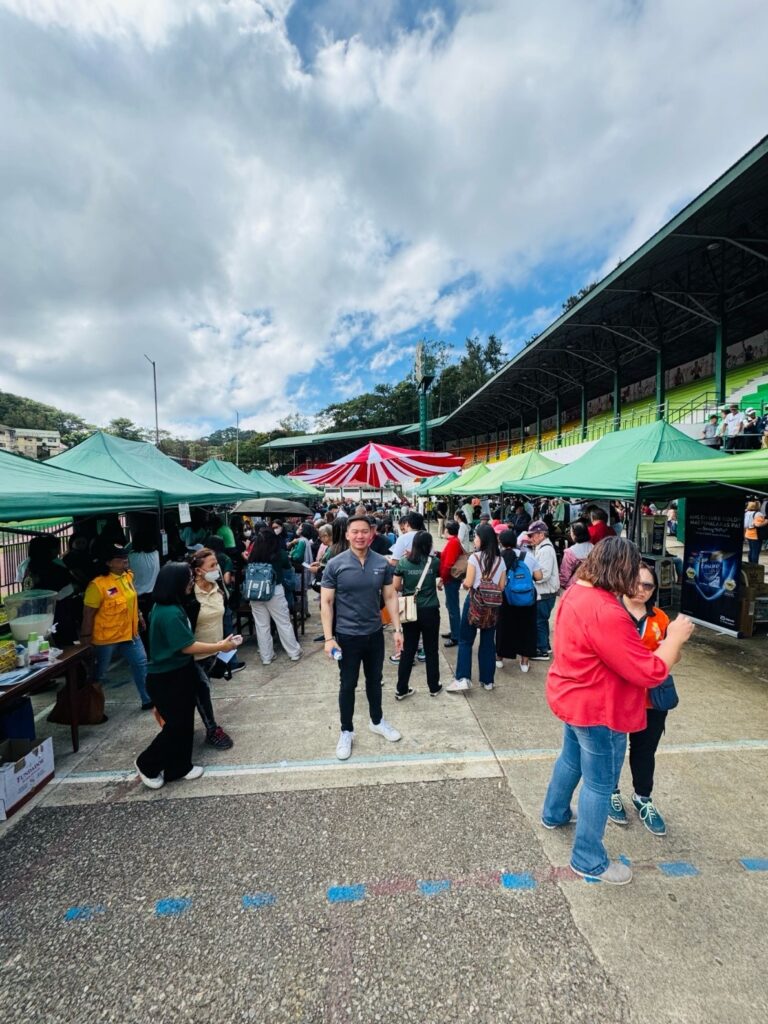
Lay forums offer another opportunity to have these conversations. Older adults and families deserve explanations they can understand and use. A forum becomes more useful when people feel comfortable asking about forgetfulness, falls, medicines, or the strain of caring for someone they love.
Making room for company and purpose
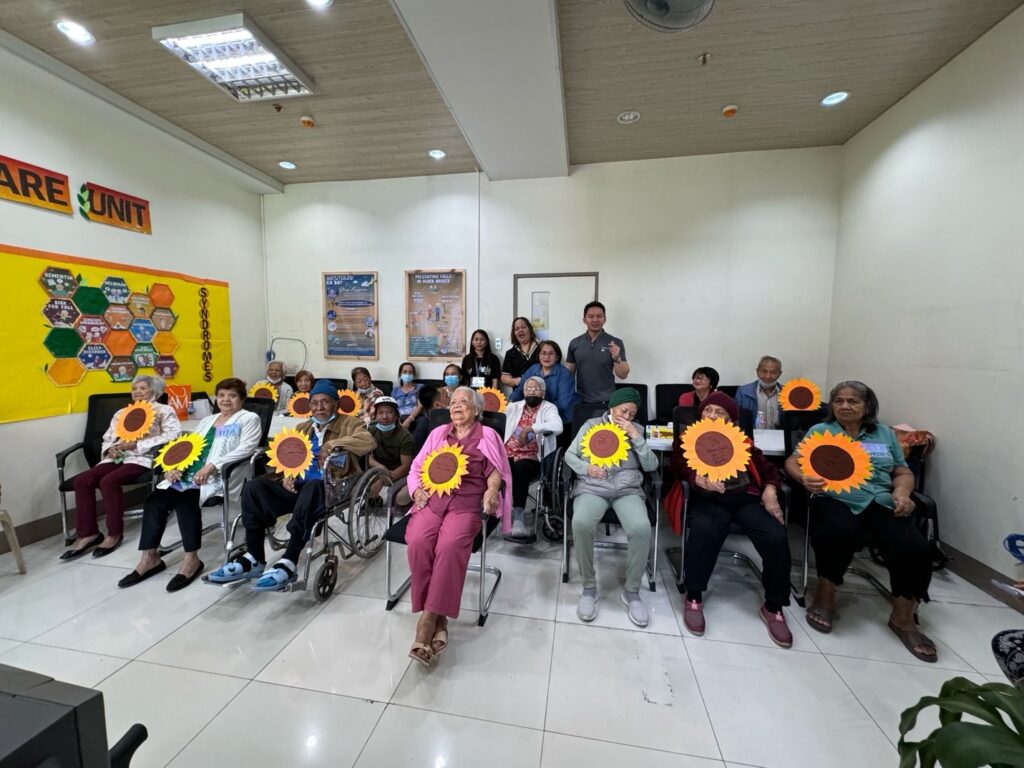
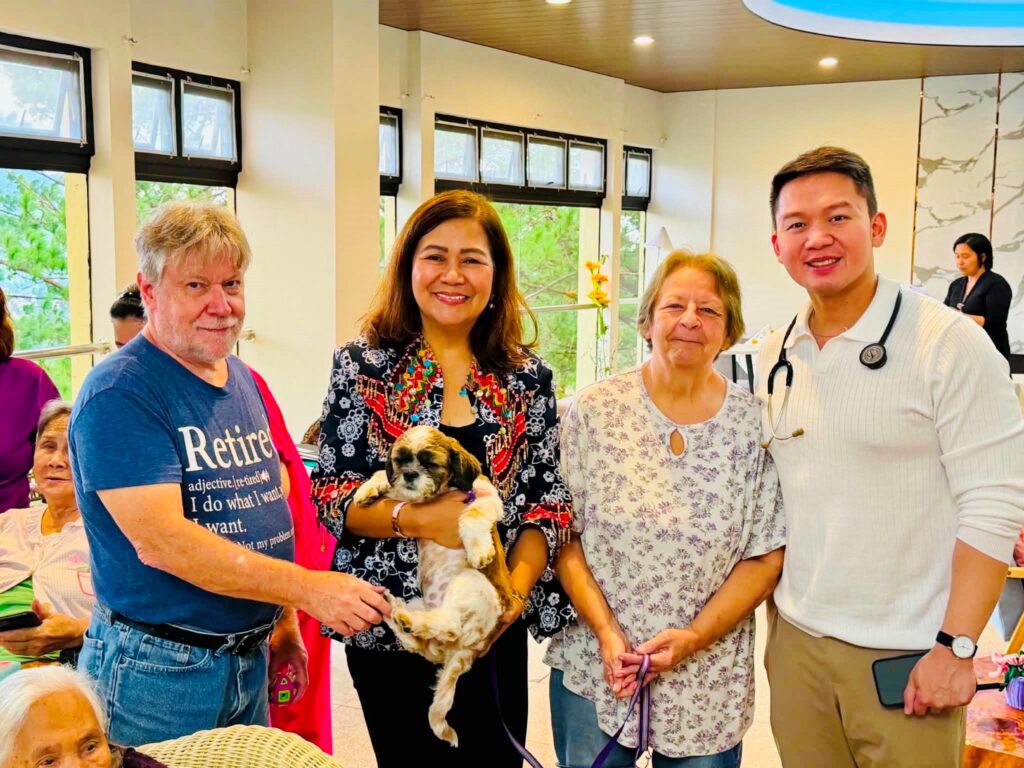
Day-care activities for older adults are among the parts of community work that I value most. Shared movement, games, conversation, and time with others give older adults opportunities to stay active, connect with one another, and enjoy themselves.
There is pleasure in being expected somewhere, in seeing a familiar face, and in having something to contribute. These gatherings also give us a chance to hear concerns that might never come up during a formal consultation or a doctor’s appointment.
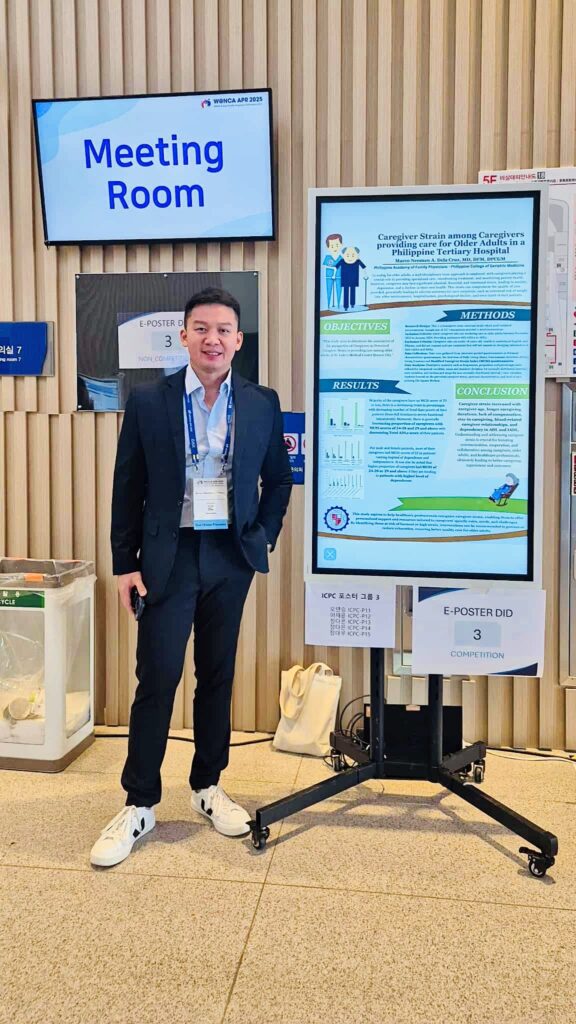
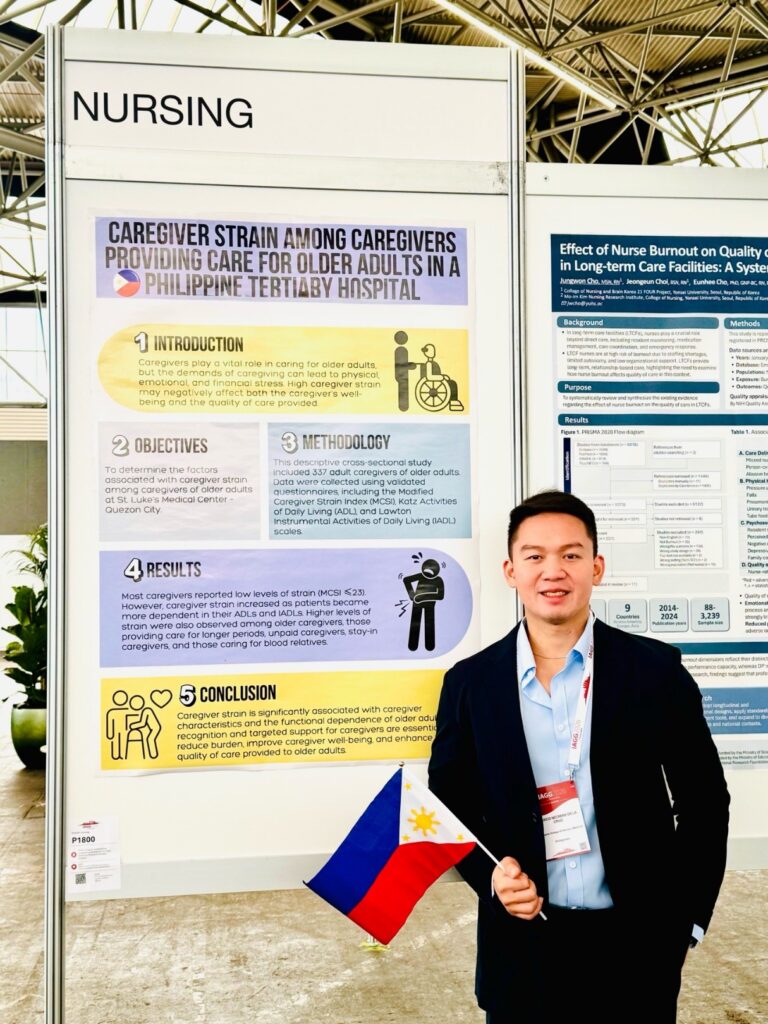
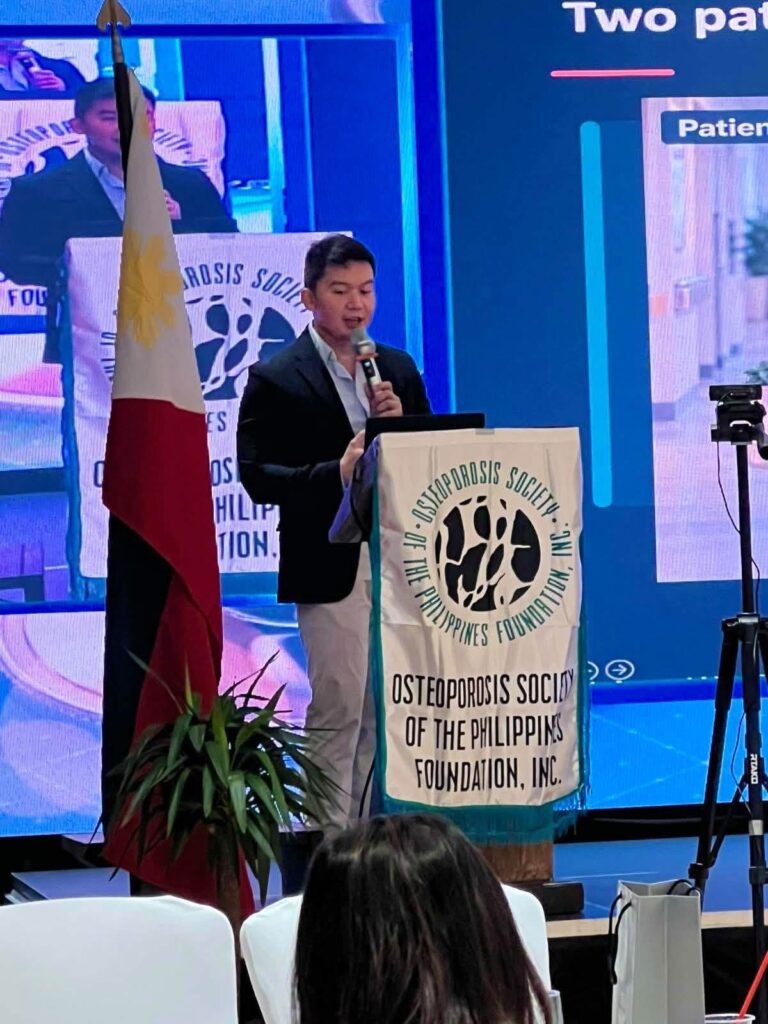
My involvement in research, locally and abroad, complements this work. It gives me an opportunity to ask questions, learn from my colleagues, and consider how those findings might apply to the older adults we care for. Different communities have different resources and ways of caring for their elders. There is much to learn from those differences, while keeping our own families’ circumstances in view.
Across the hospital, the care facility, the home, and the community, I keep returning to a simple question: What matters to this person now?
Sometimes the answer is recovery. Sometimes it is independence, relief from discomfort, or more time with family. My work as a geriatrician is to listen carefully, bring those priorities into the care plan, and help the people around the older adult carry it forward.
And when a family asks, “Doc, makakalakad pa kaya siya?” I know we have more to discuss than walking. We are talking about the life they hope their loved one can return to.
About the Author:
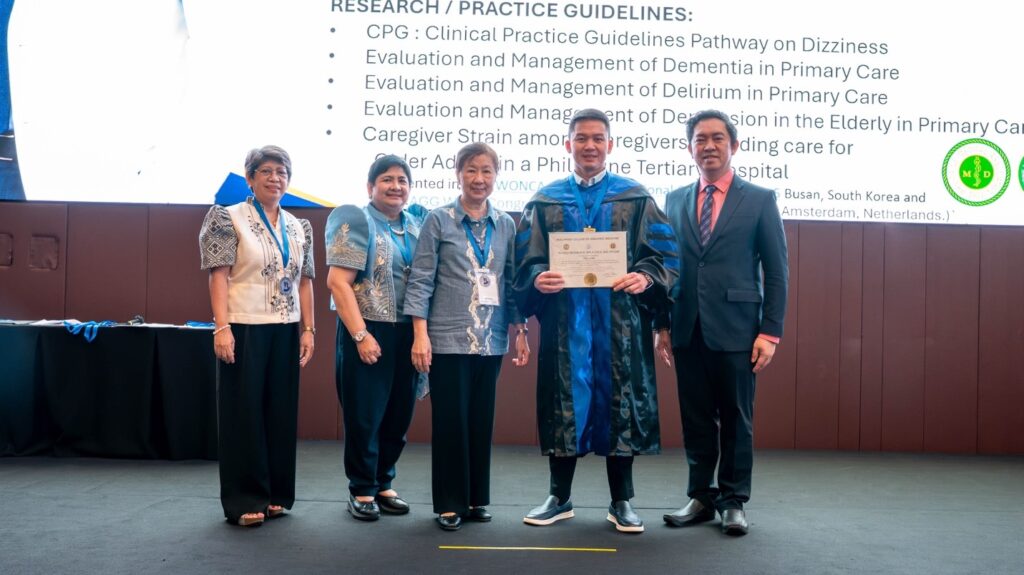
Dr. Marco Neoman Dela Cruz is a Family and Geriatric Medicine physician at Baguio General Hospital and Medical Center, and a Fellow of the Philippine College of Geriatric Medicine. His work spans acute hospital care, transitional and long-term care, home visits, and community programs for older adults. A former nurse, he brings a practical, compassionate approach to patient care and the training of physicians, primary health care providers, and caregivers. He also participates in research and health education, with a particular interest in helping older adults preserve their independence, dignity, and connection to their communities.






Leave a Reply