


By: Emmanuelle E. Yap, FPOA
Lifting Too Soon, Breaking Too Early: The Cost of Shoulder Injuries Among Filipino Athletes

We all love an underdog story – none more inspiring than the rise of Filipino weightlifters on the global stage. From the Olympic glory of Hidilyn Diaz to regional dominance, weight lifting has captured national pride. Behind the medals and headlines lies a quiet, more troubling story: young athletes getting injured; many even before they reach their peak.
I just finished my Sports Medicine program under Dr. Edgar Michael “Gar” T. Eufemio, when I read in the news that John Ceniza competed in the Paris Olympics with a shoulder injury. He failed all three of his attempts and ended up as a DNF – did not finish.
Fighting through discomfort seems to be the hallmark of an athlete but it is deeply concerning to be in a culture that actually encourages this. If elite competitors, with financial backing, are breaking down, what more the young prospects who train in far less supported environments?
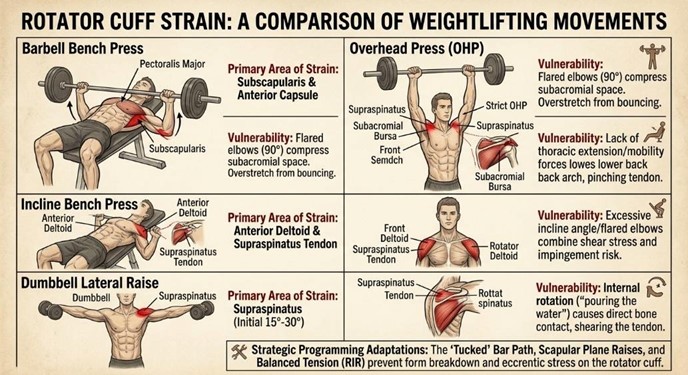
The shoulder is one of the most complex joints in the human body; this makes it prone to injury. In overhead sports like weightlifting, the movements are constant and often unforgiving. Across gyms and centers all over the country, young lifters and casual gym rats are pushed into intense routines, with limited access to proper coaching, and poor understanding of injury prevention. This needs to change…
We celebrate success stories – winning medals, breaking records, a sudden rise to fame and being on the front page of the dailies. But at what cost? Rigorous training may produce early rewards but also permanent damage. A shoulder may just be sore when an individual is seventeen but this can progress to a tendon rupture by the time the patient is twenty-one. Chances are, this will now be a surgical case. More things to consider. Down time, loss of income, forfeiture of scholarship, cost of the hospitalization, depression and anxiety.
Our country has made strides in developing prospects, but the support systems have not kept pace. Access to legitimate sports medicine facilities, modern physical therapy centers and scientifically-guided programs remains limited. Then, even if you can find the right places, expenses will be the next problem. Insurance helps but we have a long way to go.
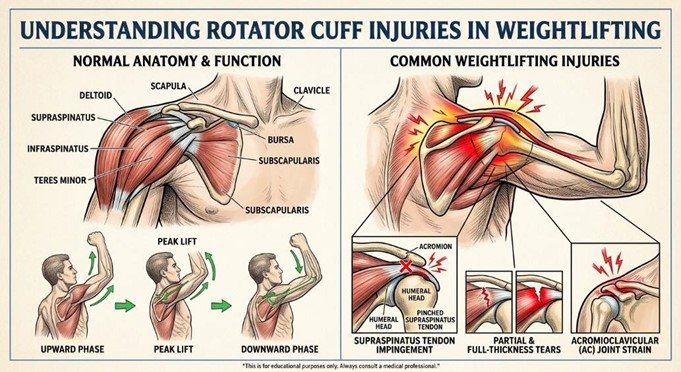
Many rely on YouTube videos and Facebook reels as well as small pieces of advice from coaches, trainers and medical professionals. Injury management is reactive instead of preventive.
Beginning at the grassroots level, sports programs need to integrate recovery as an integral part of training and conditioning. “No pain, no gain” is not backed up by science. Players should recognize the early signs of an injury and feel empowered to speak up, without fear of losing opportunities.
It is also time to re-think of our priorities and do some soul searching. Is it considered a success if a participant wins medals but ends up with an injury-shortened career? What about the long-term consequences, are the accolades worth it?
The Philippines has already proven it can produce champions. The challenge is to ensure they continue to compete and improve. The goal should not just be to carry heavier weights – but to build better and healthier athletes who can continue to LIFT the nation’s hopes and dreams.
About the Author:
Dr. Emmanuelle E. Yap is an Orthopedic Surgeon who specializes in Sports Medicine and Shoulder Reconstructive Surgery. He is a Consultant in Peak Form Sports Recovery Center, Cardinal Santos Medical Center, and the Providence Hospital. After his stint with Dr. Edgar Michael Eufemio, he furthered his training in Thammasat University Hospital in Pathum Thani, Thailand under the world-renowned Shoulder Surgeon, Dr. Bancha Chernchujit.









Leave a Reply