When Prevention Begins Before the Rain
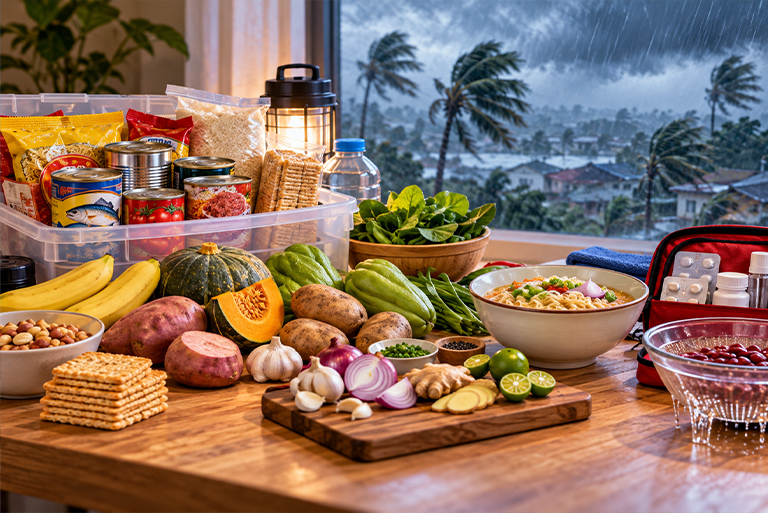
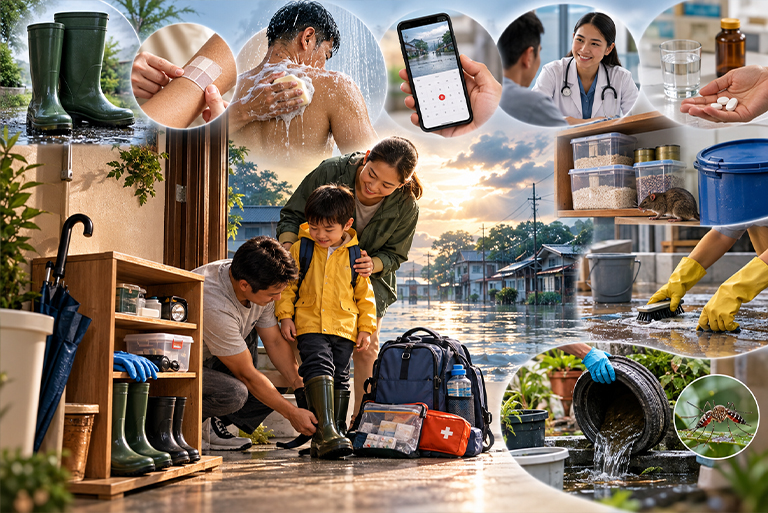
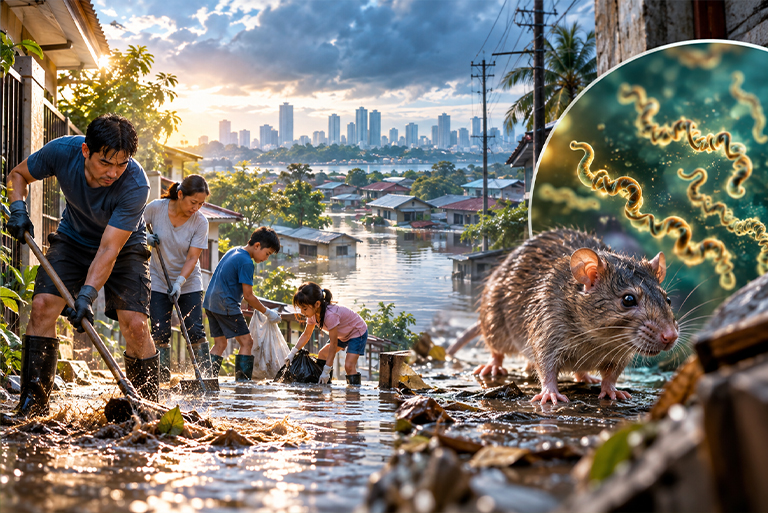
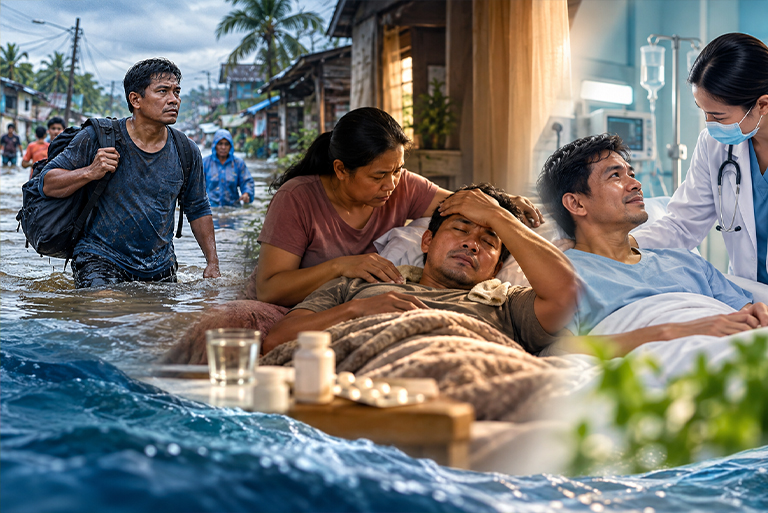
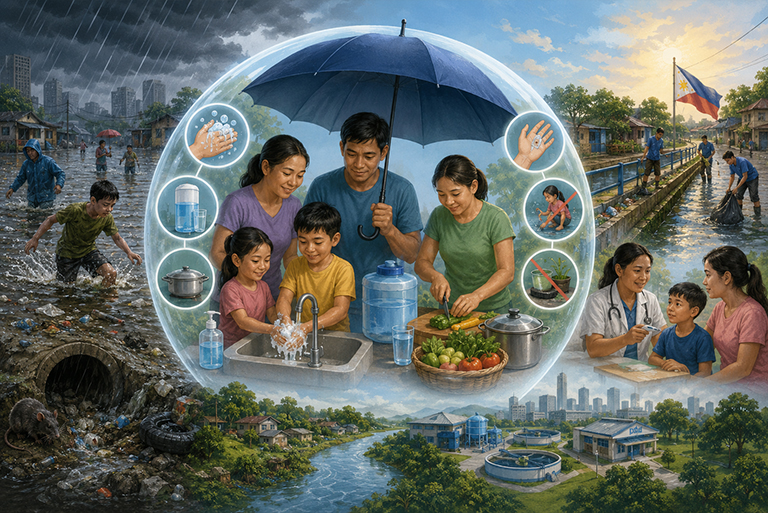
Every rainy season, we Filipinos prepare almost instinctively. We check the weather forecast, bring out the umbrellas, clear the gutters, and brace ourselves for flooded
Every rainy season, we Filipinos prepare almost instinctively. We check the weather forecast, bring out the umbrellas, clear the gutters, and brace ourselves for flooded
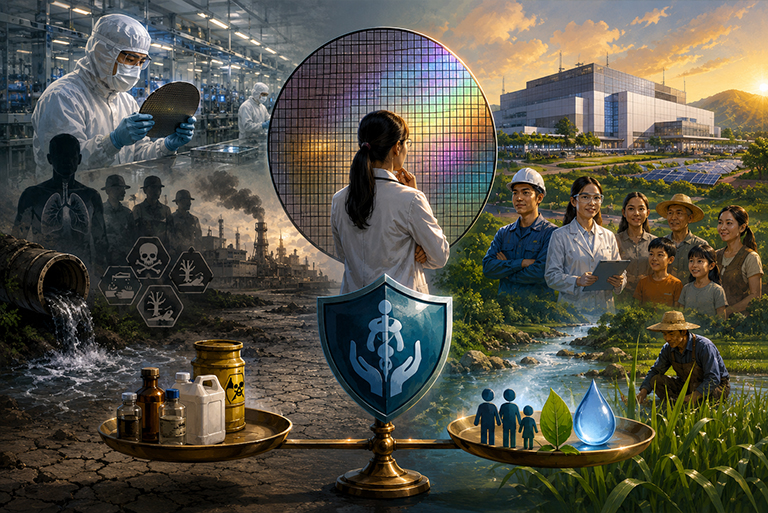
In medicine, the foundational directive is primum non nocere—first, do no harm. In public health and economic development, this mandate must be extended to national
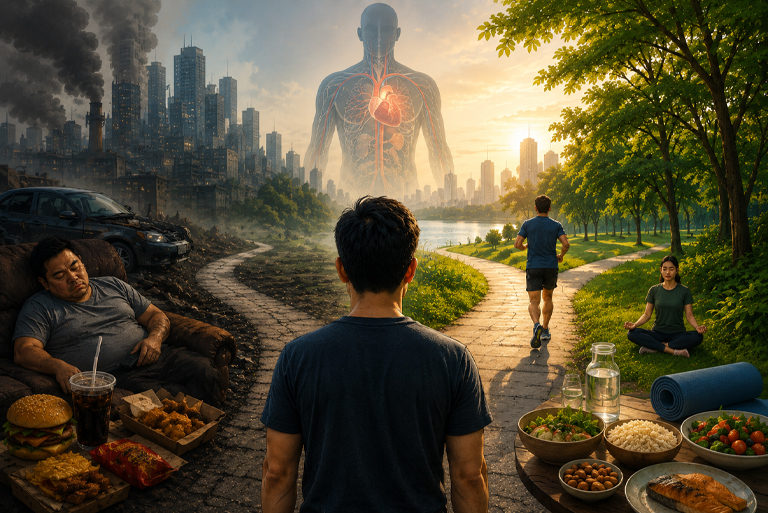
Medicine has become remarkably successful at treating heart attacks, diabetes, kidney failure, and strokes. Yet we often overlook the common pathway leading to these conditions.
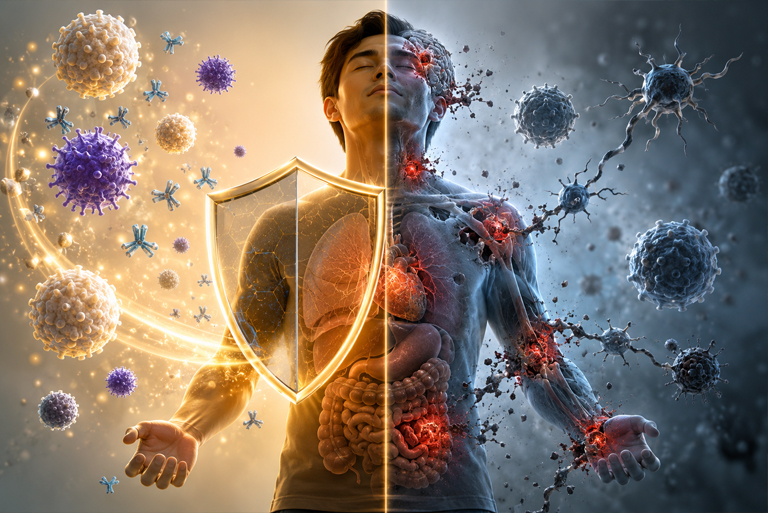
“The greatest achievement of the immune system is not that it knows how to fight. It is that it knows when not to.” Every day,
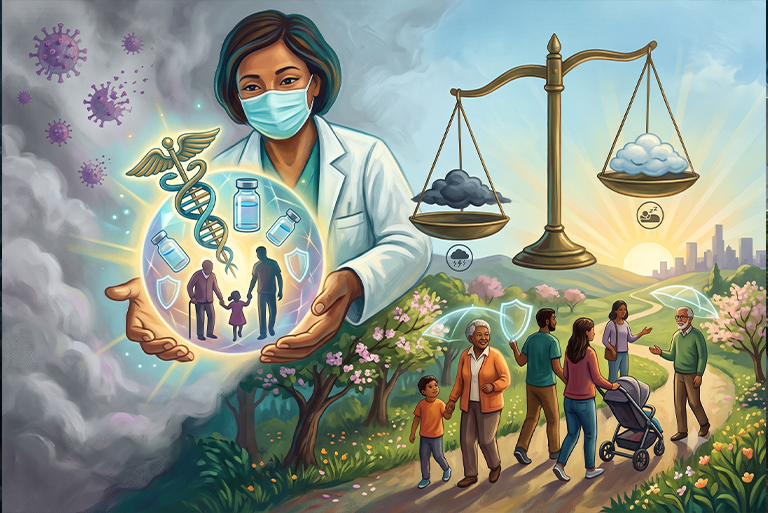
COVID-19 has taught medicine many lessons. Perhaps the most important is that fear and complacency are equally poor guides. The virus has not disappeared, but
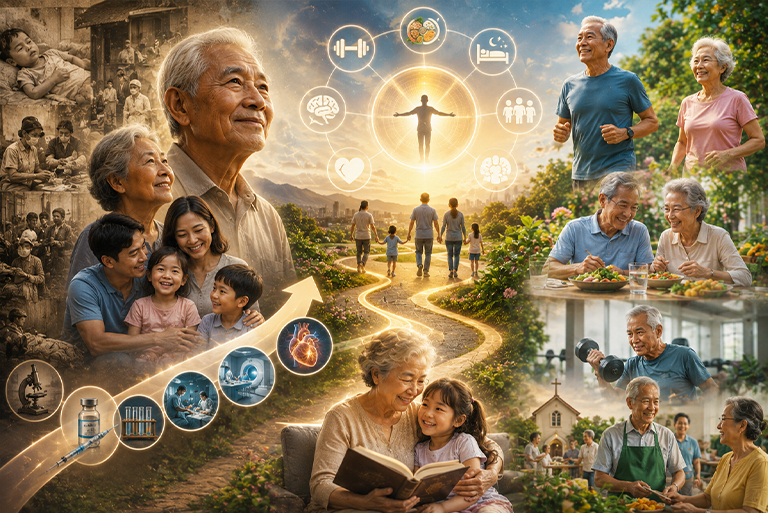
One of the greatest triumphs of modern medicine is that people are living longer than ever before. A century ago, infectious diseases claimed countless lives
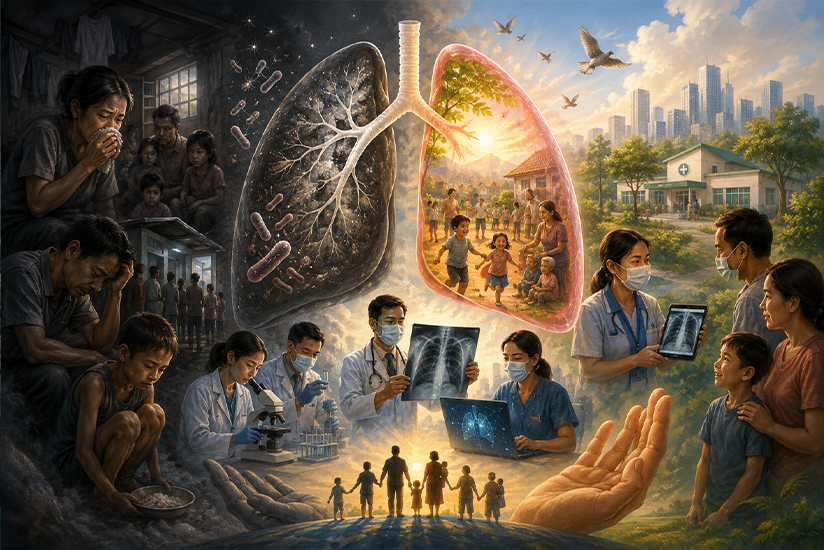
Tuberculosis is one of the oldest diseases known to humanity, yet it remains one of the most revealing. It tells us not only about bacteria
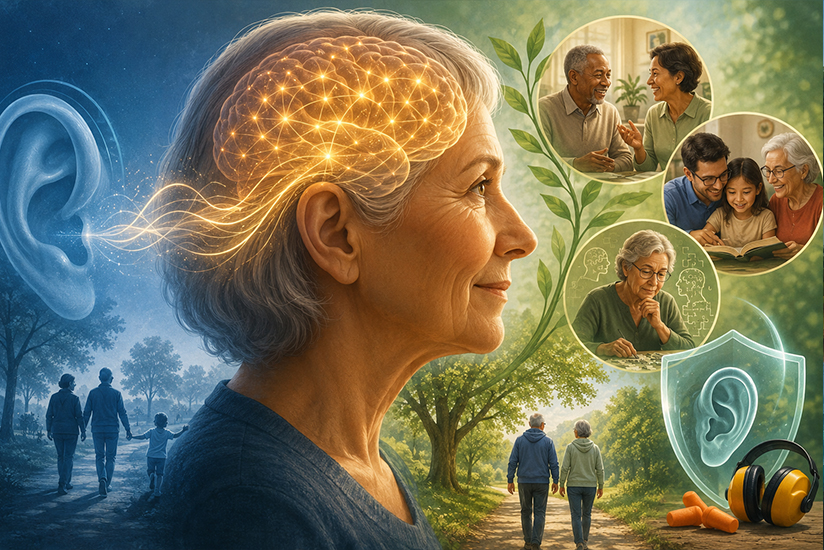
For decades, hearing loss was considered a benign consequence of aging. Today we know better. The ear is not merely an organ of hearing. It
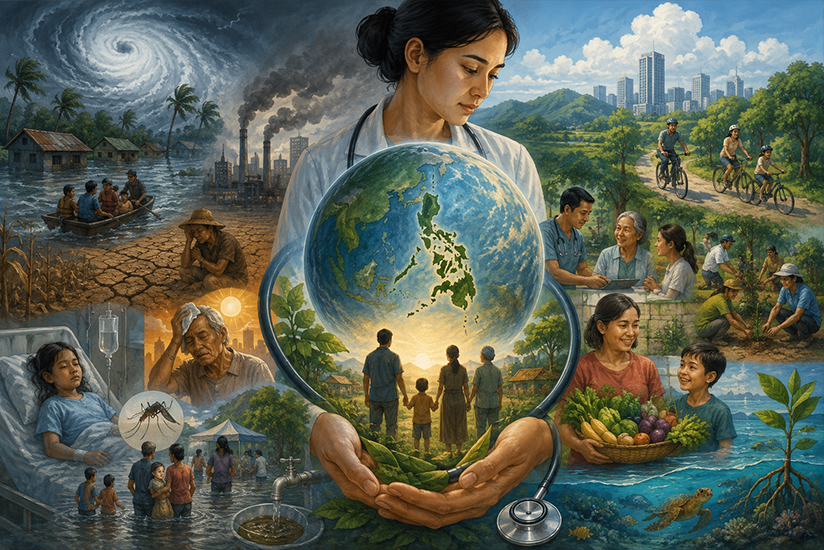
When physicians encounter a patient with fever, we understand that the elevated temperature is not the disease itself. Fever is a warning sign. It tells
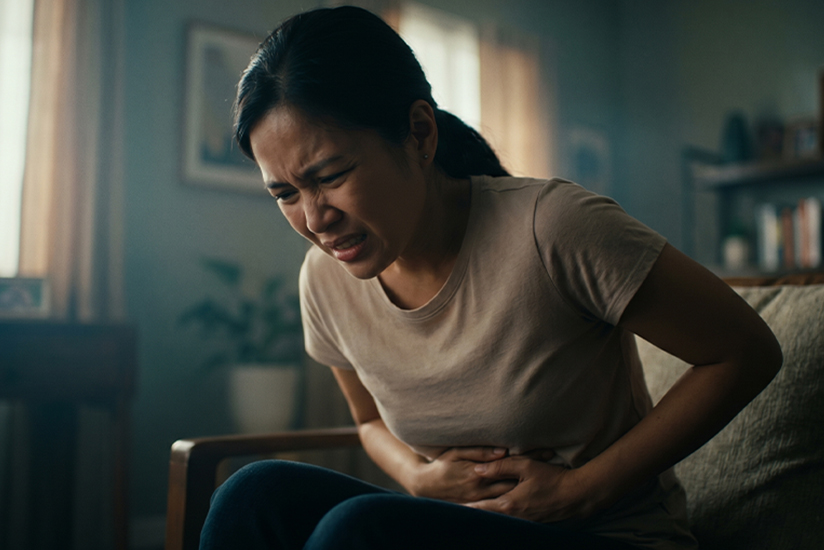
One of the most common statements physicians hear in emergency rooms is: “Akala ko mawawala lang.” (I thought it will just go away.) It is understandable.